
Telecommunications
RF solutions that power reliable, high-speed communication infrastructure
Optimizing Connectivity with High-Performance RF & Microwave Components
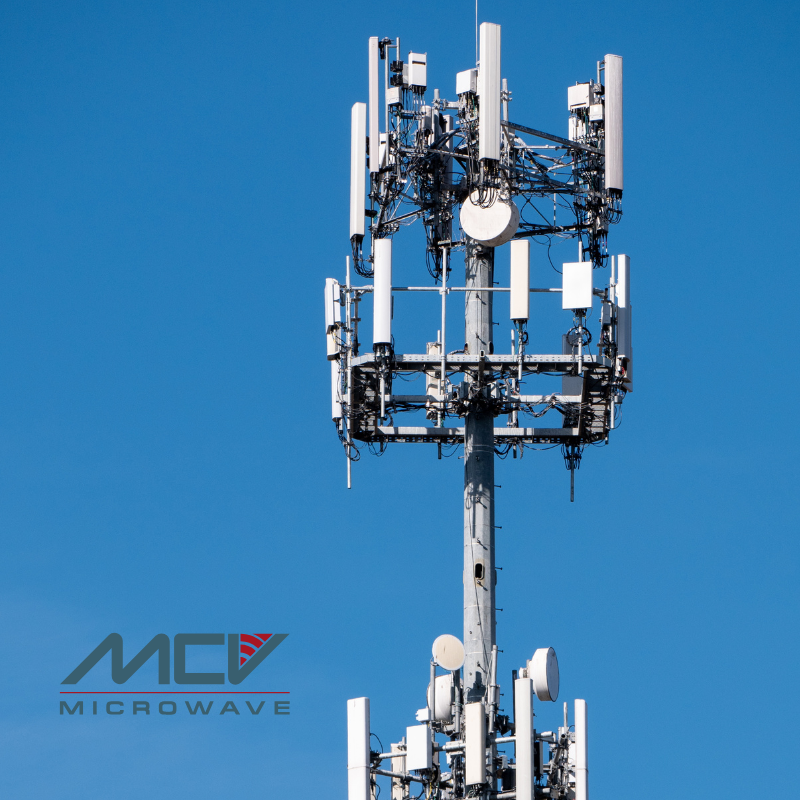
In today’s fast-evolving telecommunications landscape—where 5G networks, fiber backhaul, small cells, and satellite systems are reshaping global connectivity—MCV delivers RF solutions that power reliable, high-speed communication infrastructure. Our components are designed to meet the stringent performance, bandwidth, and environmental demands of modern telecom networks.
Serving the Backbone of Global Communication
From macro base stations and DAS (Distributed Antenna Systems) to edge devices and test infrastructure, MCV’s extensive RF and microwave product line supports telecom applications that require low loss, high isolation, and excellent return loss across wide frequency bands.
Featured Products for Telecommunications
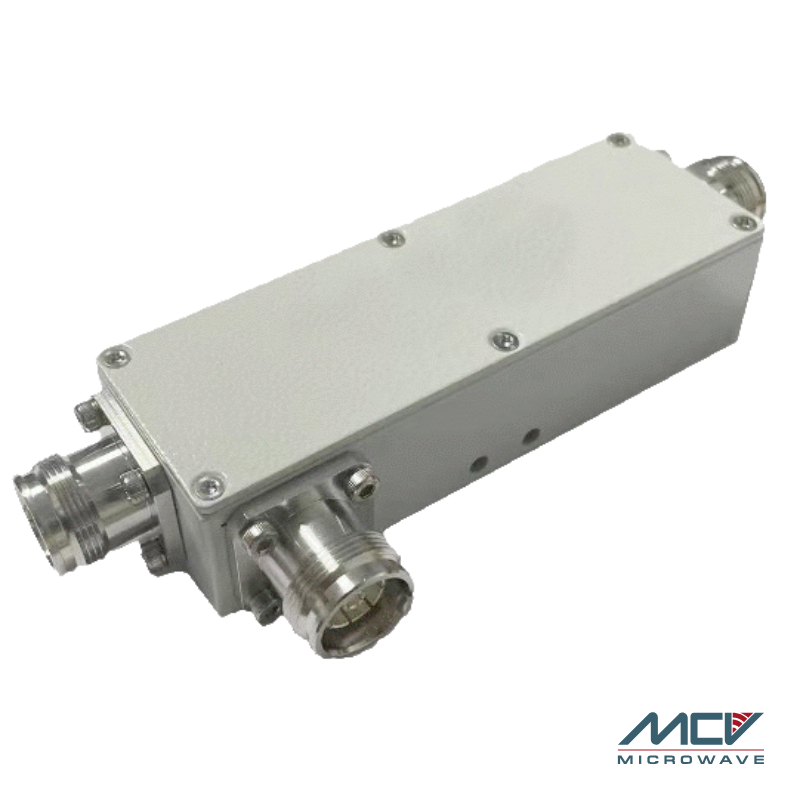
Directional Couplers
Facilitate accurate power sampling and signal routing for monitoring, diagnostics, and load balancing in telecom infrastructure.

Low PIM Terminations
Maintain signal clarity and protect systems from passive intermodulation (PIM), a critical factor in high-density wireless deployments.
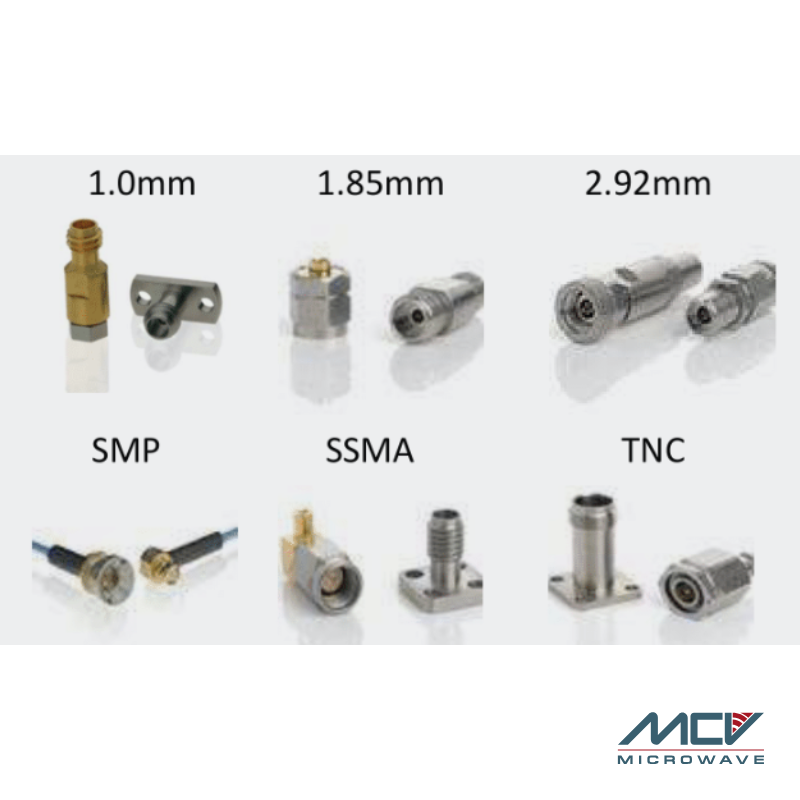
RF Cables, Adapters & Connectors
High-precision interconnect solutions engineered for low loss, rugged field performance, and seamless integration in telecom systems.
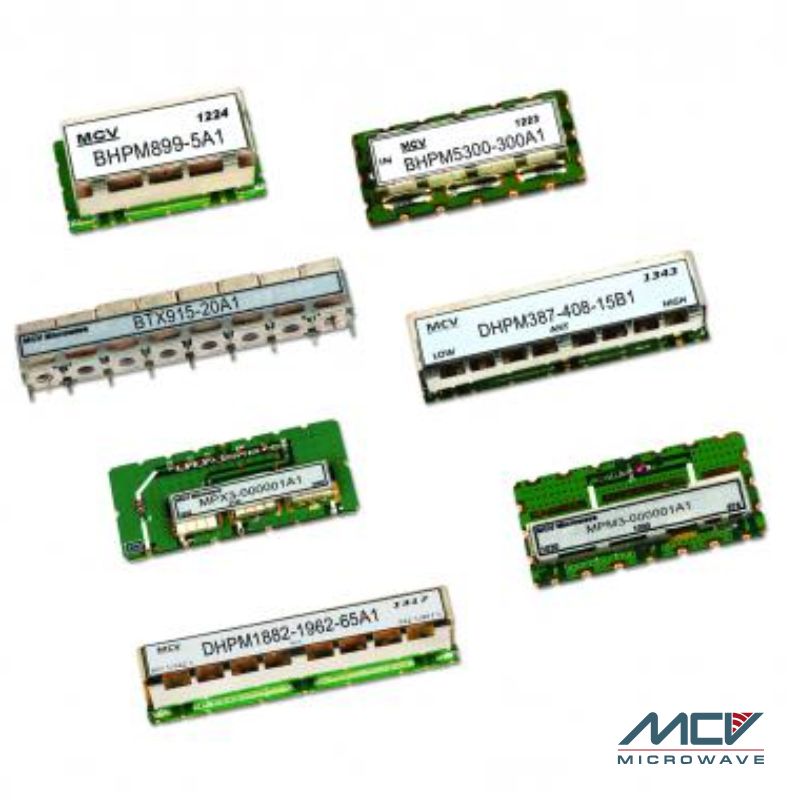
RF Filters
Ensure clean, interference-free signal transmission and reception across crowded spectral environments—from sub-6 GHz to mmWave.
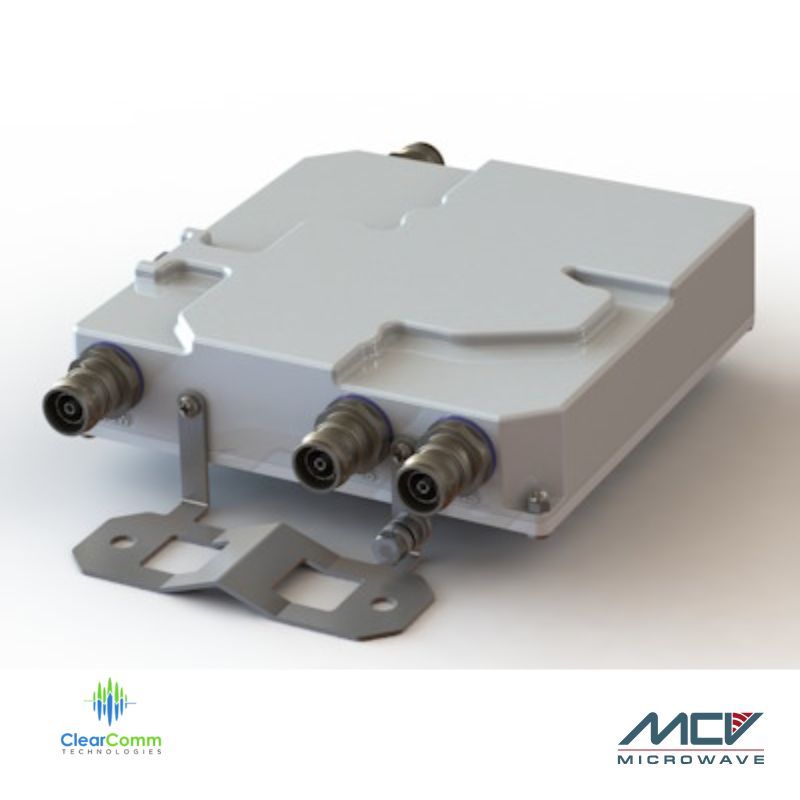
Multi-Band Combiners
Enable efficient spectrum use by combining multiple frequency bands into a single antenna path for reduced footprint and improved system integration.

Low Noise Amplifiers (LNAs)
Enhance weak signals or boost transmission power while maintaining high linearity and efficiency—ideal for wireless base stations and repeaters.
Designed for Telecom Excellence
MCV components are trusted for:
-
5G, LTE, and legacy network coexistence
-
Indoor and outdoor environments (IP-rated, rugged enclosures)
-
Wideband coverage with low VSWR
-
Carrier-grade quality and performance
-
Custom filter designs for operator-specific bands
Why Telecom Leaders Trust MCV
-
Broadband, high-isolation components for critical links
-
Custom-engineered solutions for complex deployments
-
Global support and fast prototyping
-
Designed for scalability, modularity, and field reliability
-
Performance that keeps pace with evolving network demands
Applications in Telecommunications:
-
5G NR macro & small cell infrastructure
-
Cellular backhaul and fronthaul systems
-
Private LTE/5G networks for enterprises
-
Public safety communication (FirstNet, TETRA, etc.)
-
Satellite and microwave link optimization
-
Tower top amplifiers (TTAs) and DAS components
FAQ about the use of RF and Microwave products in the Telecommunications Industry
What are RF and Microwave products in telecommunications?
RF (Radio Frequency) and Microwave products include components and systems that operate within frequency ranges used for wireless communication. These include antennas, filters, amplifiers, mixers, transmission lines, and test equipment.
Why are RF and Microwave technologies important in telecom?
They enable wireless communication over long distances and high data rates. Applications include mobile networks (3G–5G and beyond), satellite communications, Wi-Fi, radar, broadcasting, and point-to-point links.
What frequency ranges are typically used in telecom systems?
Telecom applications commonly use RF bands from a few hundred MHz (e.g., LTE 700 MHz) to tens of GHz (e.g., 5G mmWave at 24–40 GHz). Microwave frequencies above 6 GHz are used for high-capacity backhaul and advanced communication systems.
How are RF amplifiers used in telecom networks?
RF amplifiers boost signals to ensure they can travel long distances without excessive loss. They are used in base stations, repeaters, satellite transceivers, and microwave links for both transmission and reception.
What role do antennas play in RF/Microwave communication?
Antennas convert electrical signals into electromagnetic waves and vice versa. In telecom, various antenna types (e.g., parabolic, phased arrays, MIMO antennas) are used for coverage, capacity, and beamforming in modern networks.
What are common challenges when designing RF and Microwave systems?
Key challenges include signal loss, interference, impedance matching, thermal management, maintaining linearity, and meeting regulatory requirements. At high frequencies, small design variations can significantly impact performance.
How does RF filtering improve network performance?
Filters block unwanted frequencies and allow only desired signals to pass. This reduces interference, improves signal quality, and ensures coexistence between different frequency bands used in mobile, Wi-Fi, and broadcast systems.
What is the role of microwave links in telecom backhaul?
Microwave point-to-point links provide high-capacity wireless backhaul for connecting cell sites to the core network. They are widely used where fiber deployment is costly or impractical.
How do RF and Microwave products support 5G networks?
5G uses both sub-6 GHz and mmWave frequencies. RF/Microwave components enable massive MIMO antennas, beamforming, mmWave radios, and high-frequency transceivers essential for ultra-fast and low-latency communication.
What testing is required for RF and Microwave telecom products?
Products must undergo tests for performance, electromagnetic compatibility (EMC), power output, frequency accuracy, noise, and compliance with regional telecom standards (e.g., FCC, ETSI). Specialized RF test equipment is used for verification and certification.
How can I learn more about the use of RF and Microwave products in the Telecommunications industry?
To learn more about the use of RF and Microwave products in the Telecommunications industry please contact us and we will help you!