
Solutions for the Medical Industry
Accuracy, stability and minimal interference
Precision RF and Microwave Components for Life-Saving Technologies
In today’s increasingly connected and data-driven healthcare environment, MCV supports medical innovators with high-performance RF and microwave components that power reliable communication, imaging, and diagnostic systems. Our precision-engineered solutions are integral to medical devices that demand accuracy, stability, and minimal interference.
Advancing Healthcare with Trusted RF Performance
Medical applications—from non-invasive diagnostics to wireless telemetry—require components that perform flawlessly under strict safety and reliability standards. MCV delivers low-loss, high-isolation, and broadband RF solutions tailored to the specialized needs of the medical field.
Featured Products for Medical Industry
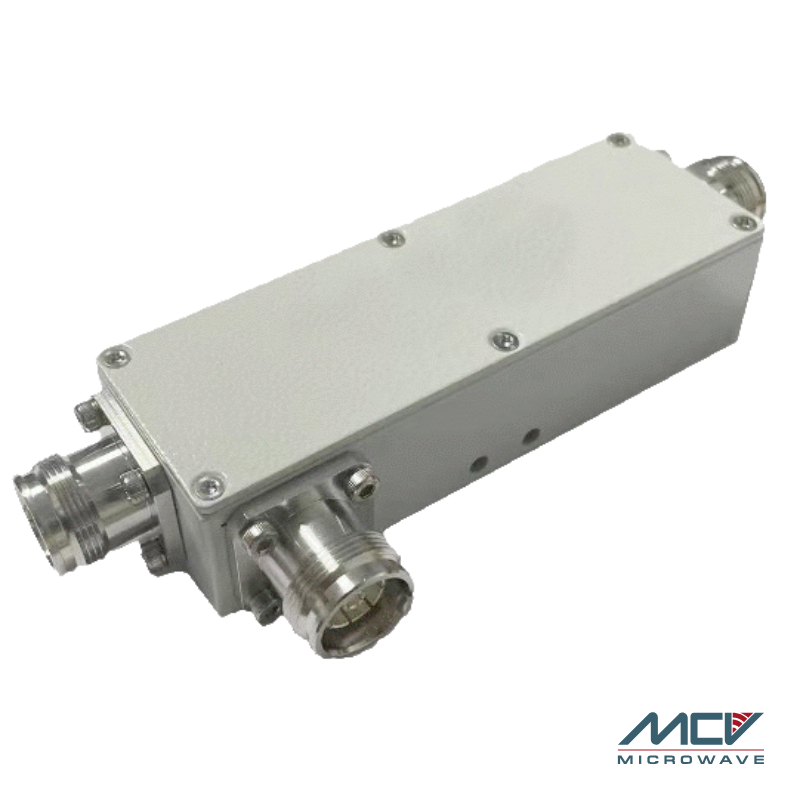
Directional Couplers
Enable safe power sampling, signal routing, and system feedback in RF treatment and testing platforms.
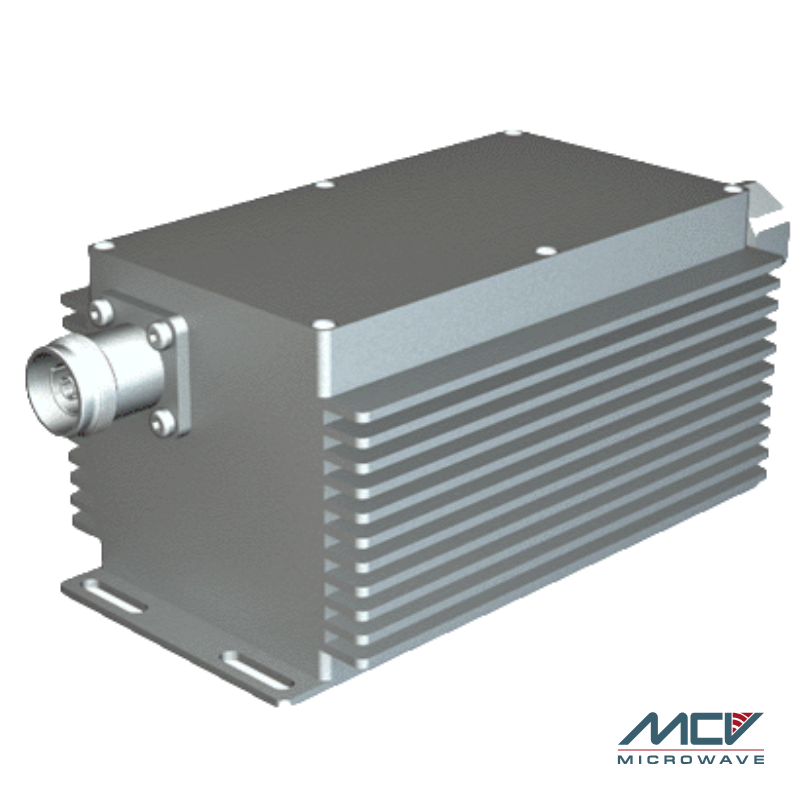
RF Attenuators (Fixed & Digital)
Control signal levels precisely in therapeutic equipment, lab analyzers, and RF ablation systems.
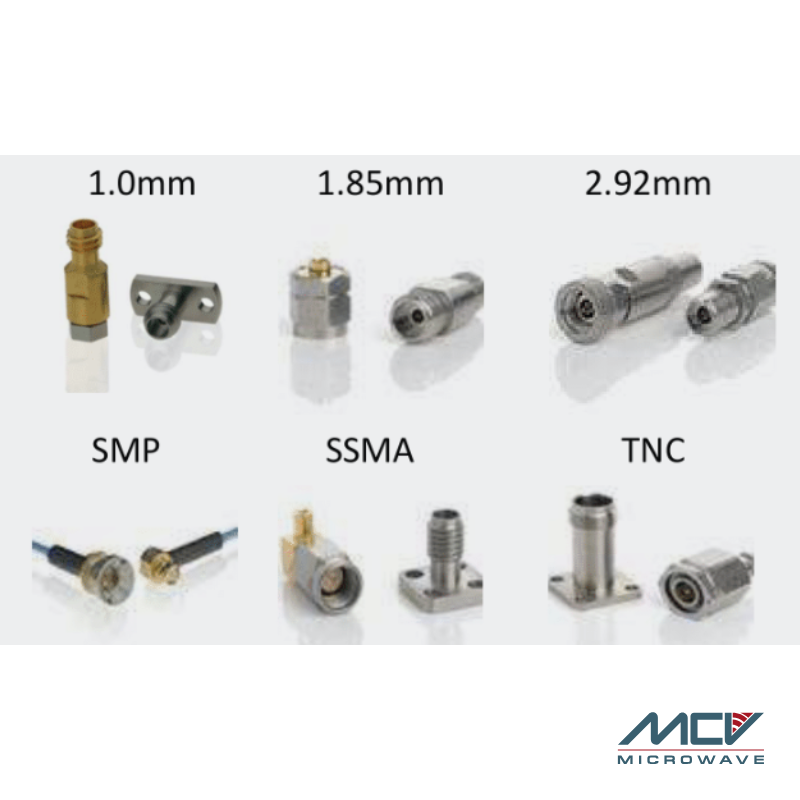
RF Adapters & Connectors
Support secure, low-loss interconnection in lab setups, portable devices, and modular medical systems.
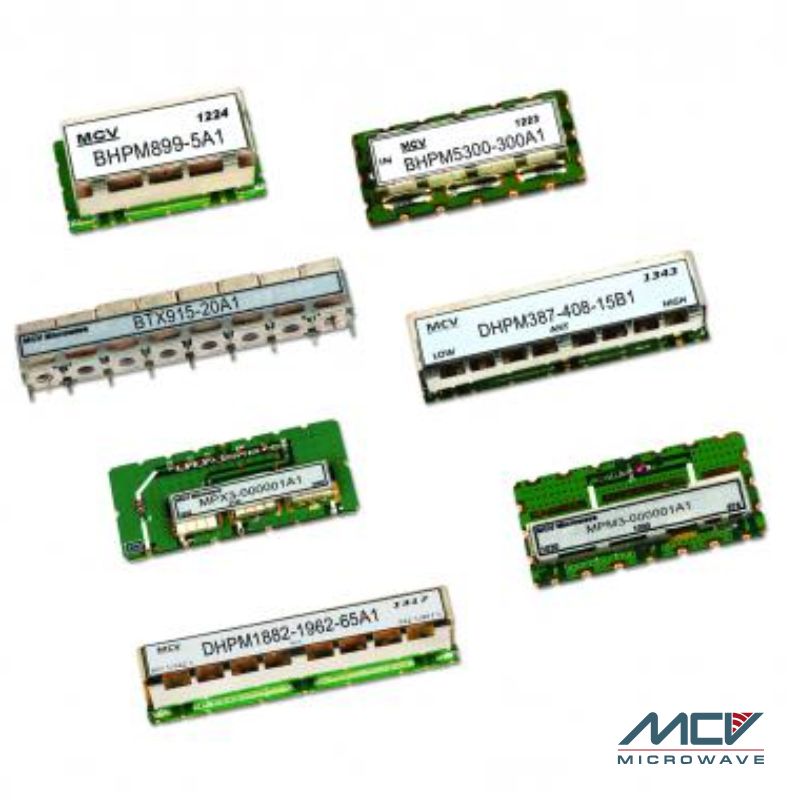
RF Filters
Ensure clean signal separation and interference mitigation in sensitive diagnostic systems such as MRI, ultrasound, and telemetry receivers.
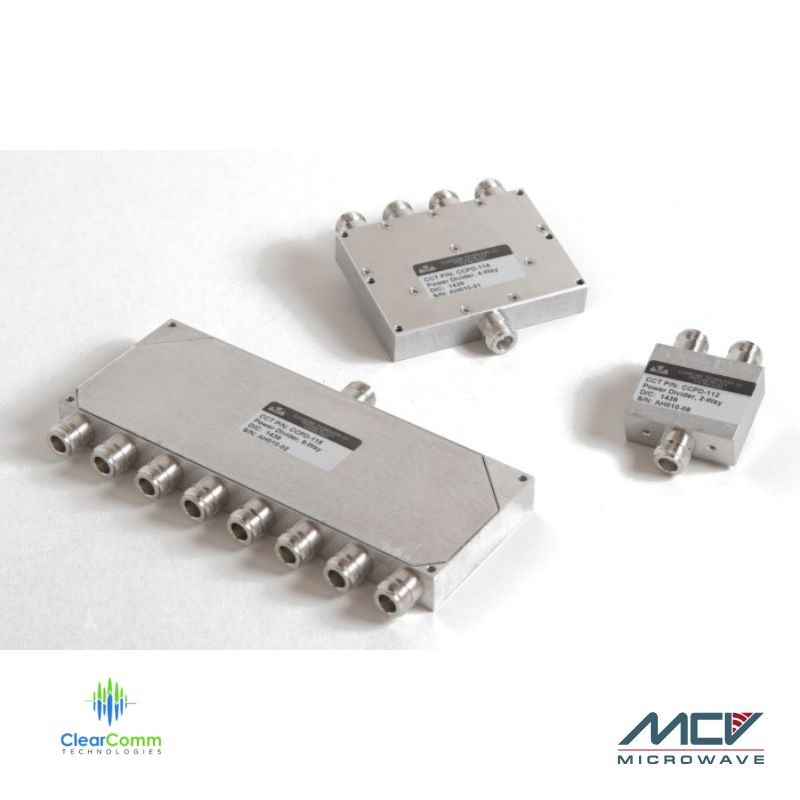
Wilkinson and Reactive Power Dividers
Distribute signals evenly in multi-sensor configurations, ensuring system synchronization and performance uniformity.
Low Noise Amplifiers (LNAs)
Boost weak signals with minimal added noise, critical for imaging systems and wireless biosignal monitoring.
Built for Medical Precision and Safety
-
Low insertion loss for optimal energy efficiency
-
High isolation to prevent crosstalk and signal contamination
-
Stable performance in varied environmental and operating conditions
-
Compact, surface-mount, and connectorized options
-
Custom design capabilities to meet unique medical standards
Why Healthcare Innovators choose MCV
-
Engineering support for FDA-regulated devices
-
Lab-proven and field-tested reliability
-
Flexible configurations for design integration
-
Global presence with responsive prototyping and delivery
Built for Medical Precision and Safety
-
Low insertion loss for optimal energy efficiency
-
High isolation to prevent crosstalk and signal contamination
-
Stable performance in varied environmental and operating conditions
-
Compact, surface-mount, and connectorized options
-
Custom design capabilities to meet unique medical standards
FAQ about the use of RF and Microwave products in the Medical industry
What are RF and Microwave products used for in the medical field?
RF and Microwave technologies are used in diagnostic imaging, therapeutic treatments, surgical procedures, patient monitoring, and medical research. Common applications include MRI, diathermy, ablation therapies, and wireless medical devices.
How do RF and Microwave systems enable medical imaging?
MRI (Magnetic Resonance Imaging) uses RF pulses to excite hydrogen atoms in the body, generating signals that form detailed internal images. RF coils are key components used for transmitting and receiving these signals.
What medical treatments use RF energy?
RF energy is used in procedures such as tumor ablation, cardiac arrhythmia ablation, tissue coagulation, and cosmetic treatments like skin tightening. These procedures rely on localized heating to destroy or modify tissue.
Are Microwave technologies used in surgery?
Yes. Microwave ablation is commonly used to treat tumors in the liver, lung, kidney, and other organs. Microwaves generate heat more efficiently in certain tissues, enabling quicker and larger ablation zones compared to RF.
How is RF used in patient monitoring devices?
Wireless medical devices—including wearables, implantable sensors, and telemetry systems—use RF communication to transmit patient data such as heart rate, blood glucose levels, and vital signs to monitoring stations or mobile devices.
Are RF and Microwave medical devices safe for patients?
Yes, when used as intended. Devices must comply with strict safety standards regarding electromagnetic exposure, heating limits, and interference control. Regulatory bodies like the FDA and IEC set guidelines to ensure patient safety.
What are the benefits of RF and Microwave ablation over traditional surgery?
These minimally invasive procedures often result in shorter recovery times, reduced blood loss, less pain, and lower infection risk. They also allow targeted treatment of tumors or abnormal tissues with minimal impact on surrounding areas.
Can RF or Microwave devices interfere with other medical equipment?
Potentially, yes. Proper shielding, frequency management, and safety testing are required to prevent interference with devices such as pacemakers, ECG machines, or infusion pumps. Hospitals follow EMC standards to minimize risks.
How are RF and Microwave products tested for medical use?
Testing includes safety evaluations, electromagnetic compatibility (EMC) tests, thermal performance measurements, biocompatibility assessments, and regulatory certifications from organizations such as the FDA, CE, and IEC.
What trends are driving the use of RF and Microwave technologies in healthcare?
Key trends include the rise of minimally invasive surgery, growth in wearable and implantable medical devices, advancements in imaging, telemedicine, and the integration of AI-driven RF imaging and diagnostic tools.
How can I learn more about the use of RF and Microwave products in the Medical industry?
To learn more about the use of RF and Microwave products in the Medical industry please contact us and we will help you!