
Solutions for Marine Industry
Reliable transmission, signal integrity and environmental resilience
Innovative RF & Microwave Technologies for Seamless Connectivity and Safety in Marine Operations
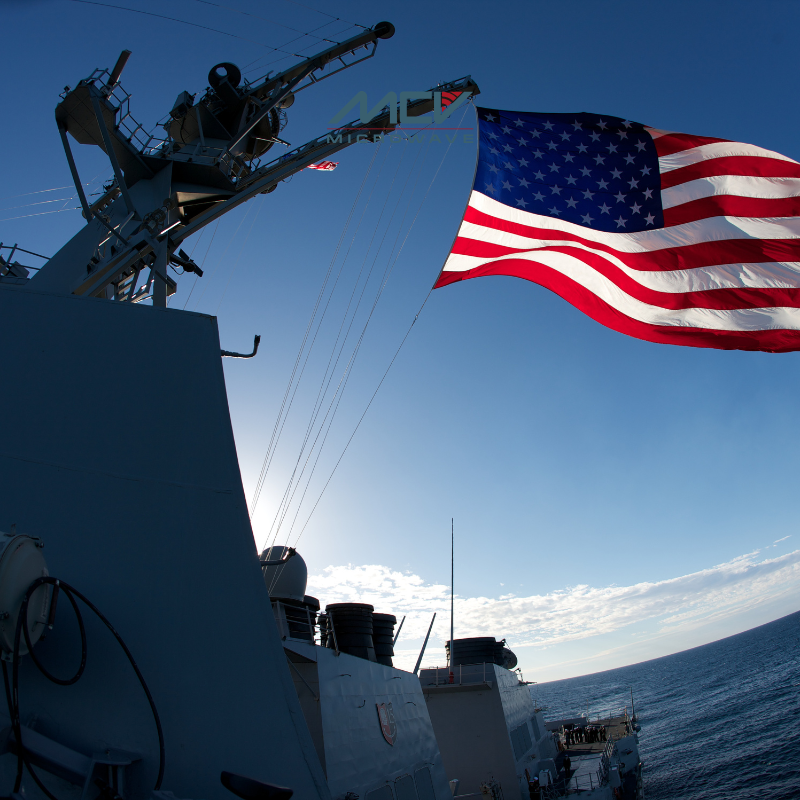
The marine industry, from commercial shipping to offshore exploration and recreational boating, requires highly reliable communication, navigation, and surveillance systems. MCV’s RF and microwave solutions are designed to provide enhanced connectivity, robust communication systems, and real-time monitoring capabilities in the harsh marine environment. Our products are engineered to withstand extreme weather conditions and the corrosive effects of saltwater, ensuring consistent performance and safety at sea.
MCV Products for Marine Operations
MCV offers a comprehensive range of RF and microwave solutions that are essential for marine communications, navigation systems, and remote monitoring in both commercial and recreational marine environments. Our products ensure reliable transmission, signal integrity, and environmental resilience, enhancing safety and efficiency at sea.
Featured Products for Marine Industry
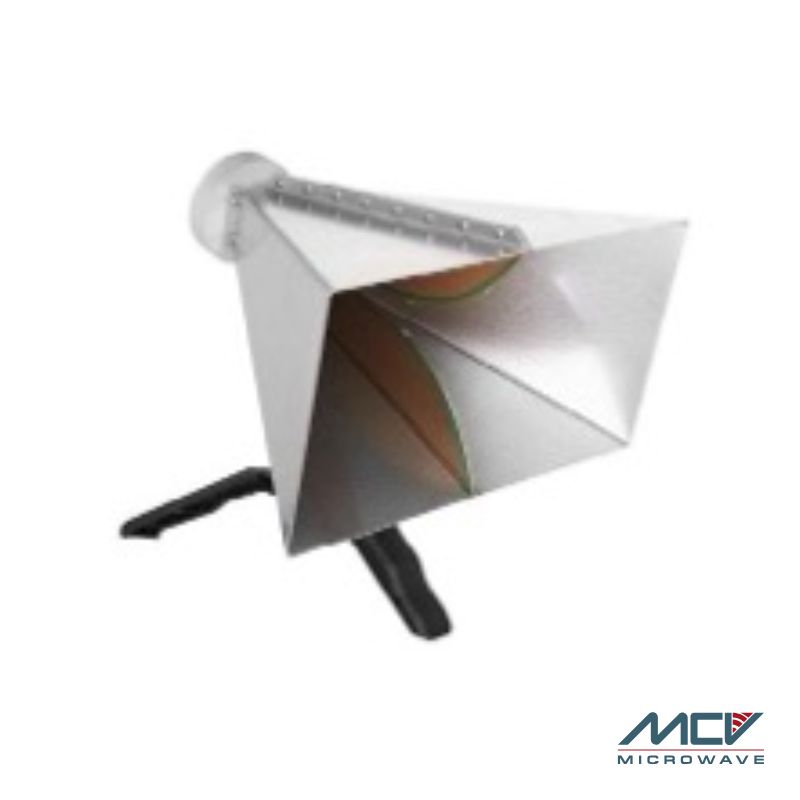
Directional Antennas
Designed to provide focused RF energy in a specific direction, our directional antennas support long-range communications for marine vessels, offshore platforms, and lighthouse systems. They are ideal for ship-to-shore communication, satellite communications, and point-to-point radio links.
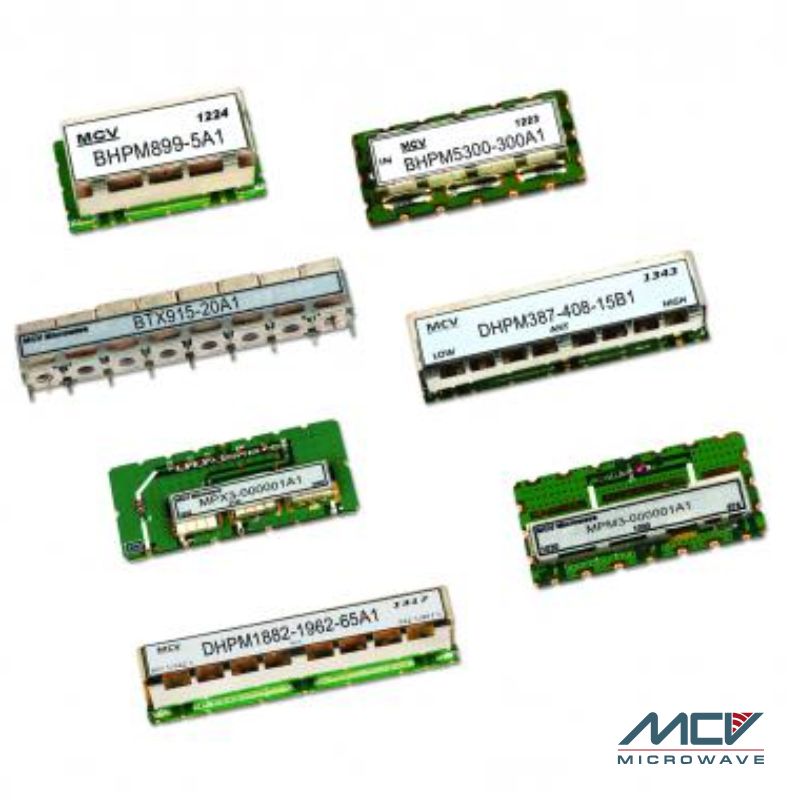
RF Filters
In a marine setting, ensuring the clarity of communication systems is critical. Our RF filters and duplexers help eliminate unwanted interference from various RF signals, providing reliable operation in marine communication systems, radar systems, and navigation systems.
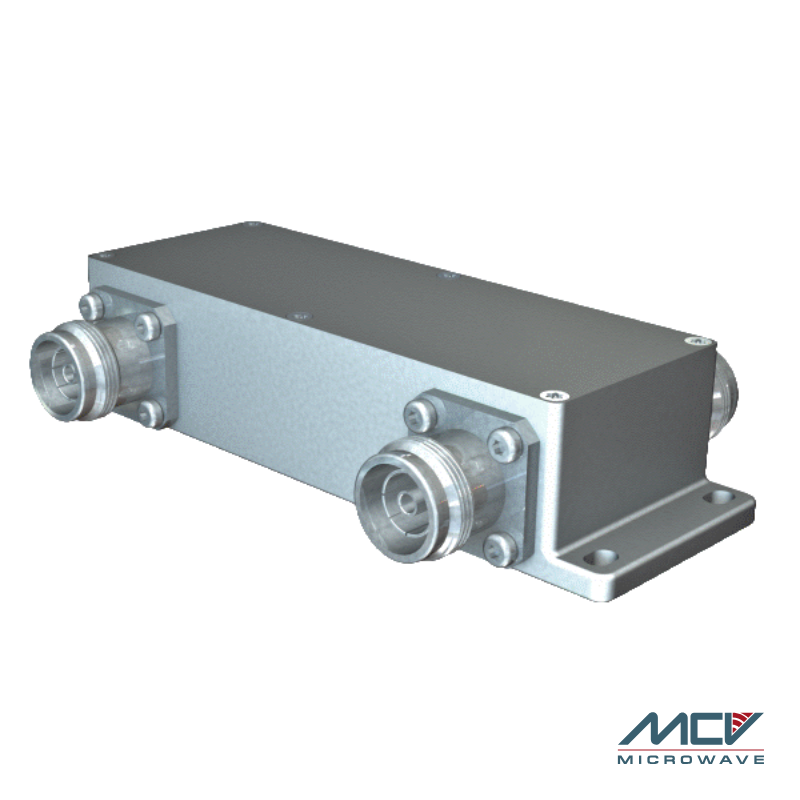
Hybrid Couplers
For efficient signal splitting and distribution across multiple channels, our hybrid couplers and power dividers are used in marine communication systems. These products support multi-channel communication, ensuring reliable operation of radio systems, GPS, navigation aids, and more.
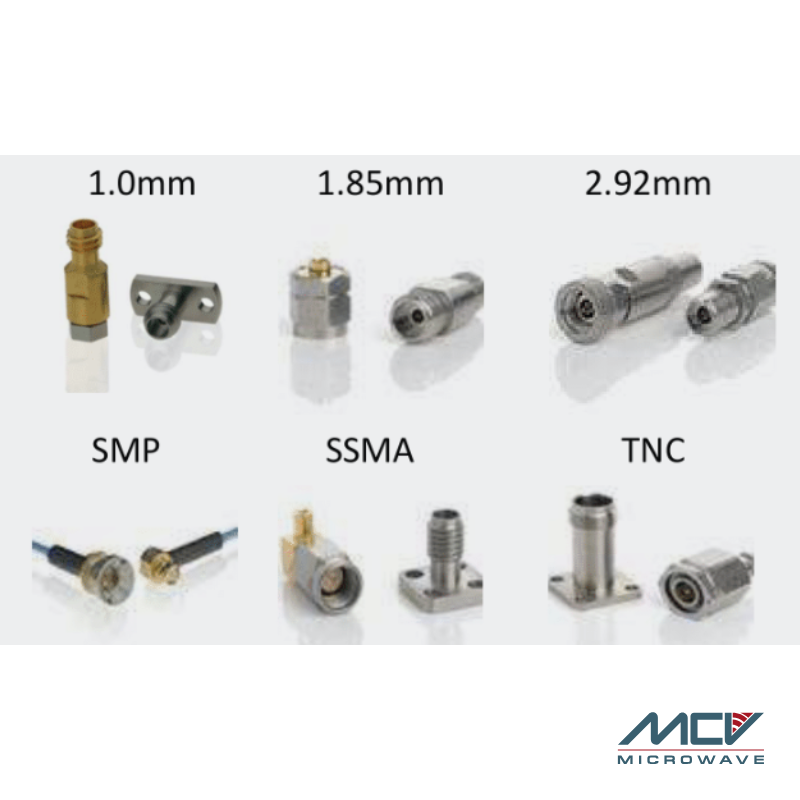
RF Cables & Connectors
Reliable interconnects are essential in the marine environment, where equipment is exposed to challenging conditions. MCV’s RF connectors and cables are designed to withstand corrosive environments, high humidity, and saltwater exposure. They ensure secure, reliable connections between navigation systems, communication devices, and satellite equipment.
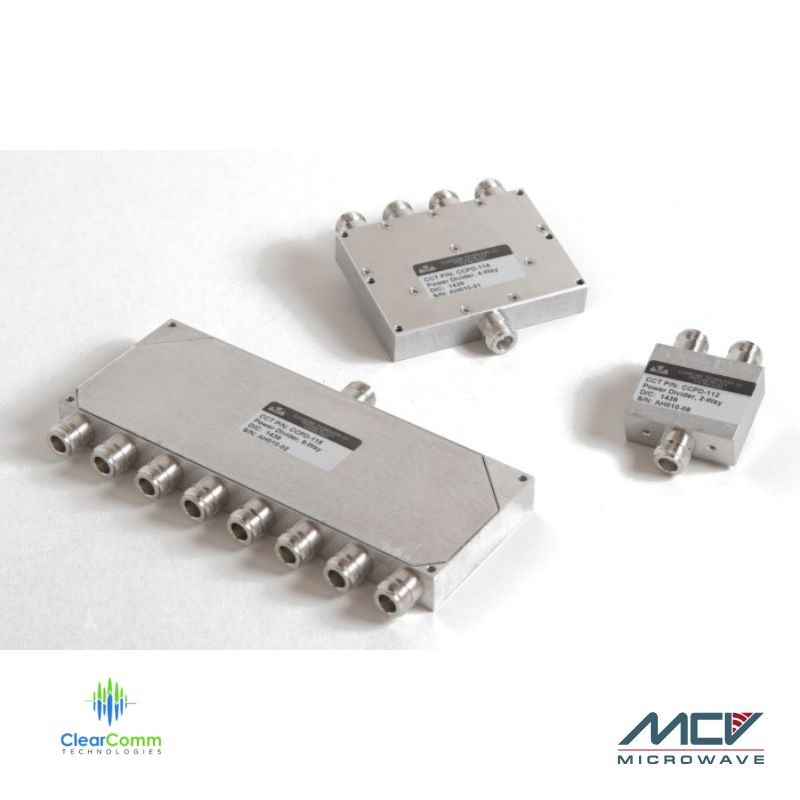
Power Dividers
For efficient signal splitting and distribution across multiple channels, our hybrid couplers and power dividers are used in marine communication systems. These products support multi-channel communication, ensuring reliable operation of radio systems, GPS, navigation aids, and more.
Why Marine Operators Choose MCV:
-
Built for harsh environments – Our products are designed to withstand saltwater exposure, high humidity, and extreme weather conditions, ensuring long-term reliability on the water.
-
High-performance solutions – MCV products deliver low loss, high gain, and excellent isolation, ensuring seamless communication and signal clarity.
-
Durability and rugged construction – Our products are engineered to endure the physical demands of marine applications, including shock, vibration, and corrosion.
-
Comprehensive support – We offer technical expertise and custom-engineered solutions to meet the specific needs of each marine operation, ensuring optimal performance and reliability.
-
Wide application range – Whether for commercial vessels, offshore rigs, or recreational boating, our solutions are flexible and scalable to suit various marine applications.
Applications in the Marine Industry:
-
Marine Communications
-
Offshore Oil & Gas
-
Marine Navigation
-
Marine Safety & Monitoring Systems
-
Recreational Boating
MCV Empowering the Marine Industry with Reliable Communication Solutions
MCV is committed to supporting the marine industry by providing innovative RF solutions that ensure reliable communication, safe navigation, and real-time monitoring for maritime operators. Whether you’re managing a commercial fleet, offshore operations, or recreational boats, MCV’s rugged, high-performance products help maintain continuous operations and safety at sea.
FAQ about the use of RF and Microwave products in the Marine Industry
What are RF and microwave technologies used for in the marine industry?
They support communication, navigation, radar detection, remote sensing, and vessel monitoring. Applications include maritime radios, satellite links, radar systems, AIS, and wireless onboard networks.
How do RF/microwave systems improve marine navigation?
Marine radar systems operate in microwave frequencies to detect other vessels, obstacles, coastlines, and weather patterns—greatly enhancing situational awareness and safety.
What is AIS, and how does it use RF?
AIS (Automatic Identification System) uses VHF RF signals to transmit vessel identity, position, speed, and direction. It helps prevent collisions and supports maritime traffic management.
Are RF/microwave communication systems reliable offshore?
Yes. Modern systems use satellite, HF, VHF, and UHF bands to maintain communication even far from shore. Redundant channels and weather-resistant equipment ensure reliability.
Can RF interference be a problem on ships?
Potentially. Multiple onboard systems (radar, radios, Wi-Fi, sensors) can interfere if not properly shielded or separated in frequency. Marine-certified equipment and proper installation minimize interference issues.
How do microwave systems support weather detection?
Marine radar and microwave sensors can detect rain, storm cells, and wave patterns. This helps captains plan safer routes and avoid severe weather.
Are RF and microwave devices safe for crew members?
Yes, when installed according to maritime safety standards. Antenna placement, controlled transmitter power, and safe-distance guidelines prevent accidental exposure to high-energy fields.
How are RF systems used in marine IoT and automation?
RF sensors and wireless modules enable monitoring of engines, fuel levels, cargo conditions, hull integrity, and environmental parameters. Data can be transmitted to onboard control systems or remotely to shore.
What RF solutions are used for underwater applications?
RF signals attenuate quickly underwater, so microwave communication is limited beneath the surface. Instead, RF is used for short-range shallow-water links, while acoustic or optical communication is used for deep-water missions.
What certifications are required for RF/microwave marine equipment?
Depending on the region, requirements may include standards from IMO, IEC, FCC, CE, and classification societies (ABS, DNV, Lloyd’s Register). These ensure electromagnetic compatibility, safety, and reliability in harsh marine environments.
How can I learn more about the use of RF and Microwave products in the Marine Industry
To learn more about the use of RF and Microwave products in the Marine Industry please contact us and we will help you!