
Solutions for the Test & Measurement Industry
Accuracy, repeatability and signal integrity
Precision RF Components for Accurate Results
In an industry where accuracy, repeatability, and signal integrity are non-negotiable, MCV delivers high-performance RF and microwave components that enable reliable testing, prototyping, and verification across a broad range of applications. From R&D labs to production test environments, our products are built to meet the exacting demands of test and measurement professionals.
Enabling Confidence in Every Measurement
MCV components are designed with tight tolerances, low insertion loss, and high return loss, ensuring dependable performance across wide frequency ranges. Our passive and active RF products are used in calibration setups, signal routing systems, and automated test platforms, where consistency and quality are paramount.
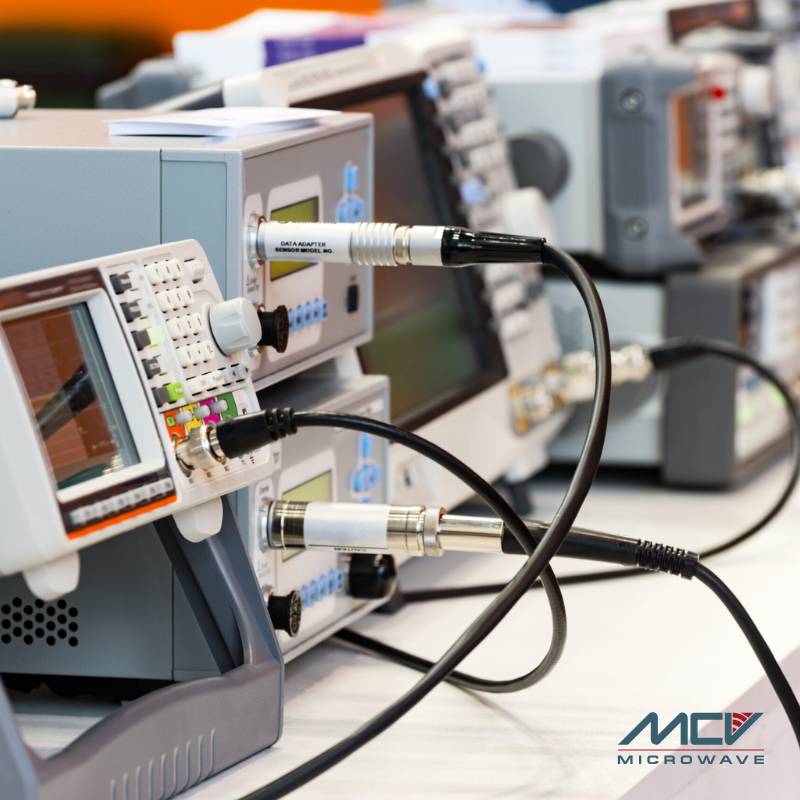
Featured Products for the Test & Measurement Industry
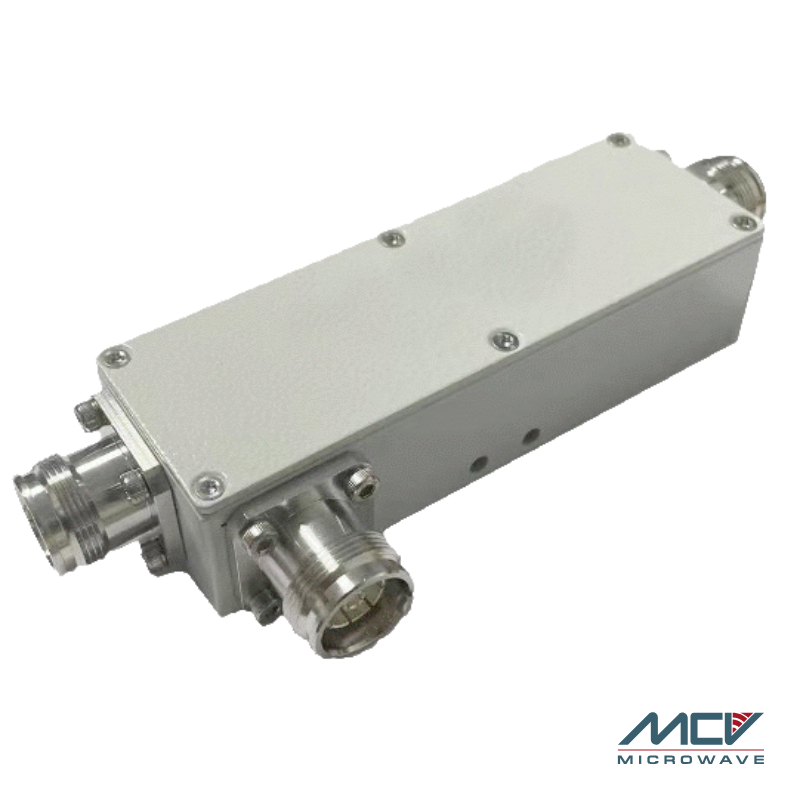
Directional Couplers
Facilitate signal monitoring and sampling without disrupting the main path—critical for power measurements and network analysis.
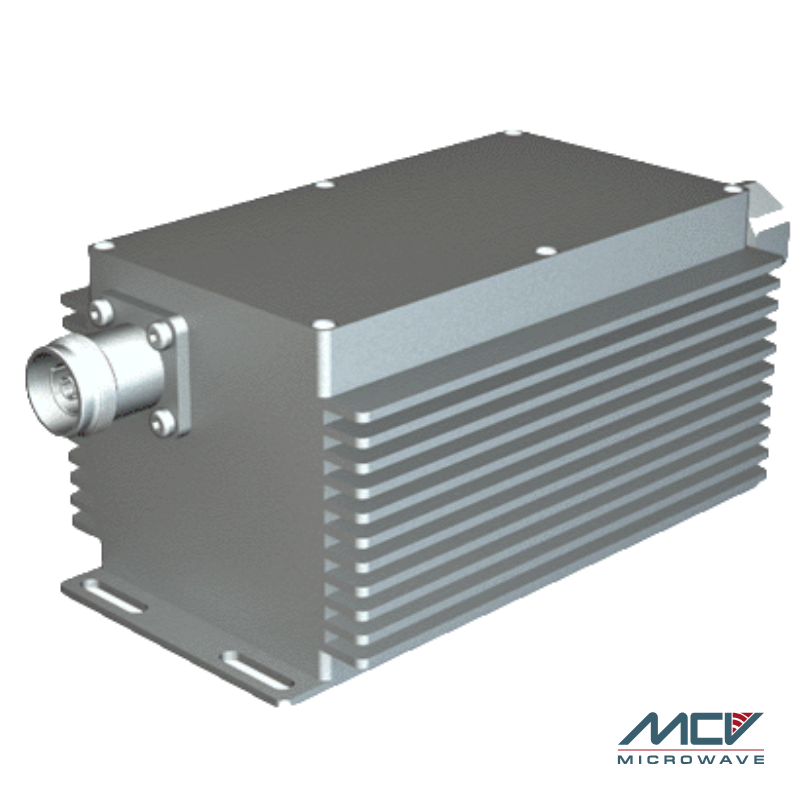
Attenuators (Fixed & Digital)
Precisely manage signal amplitude in test benches and automated setups—available in broad attenuation ranges and step resolutions.
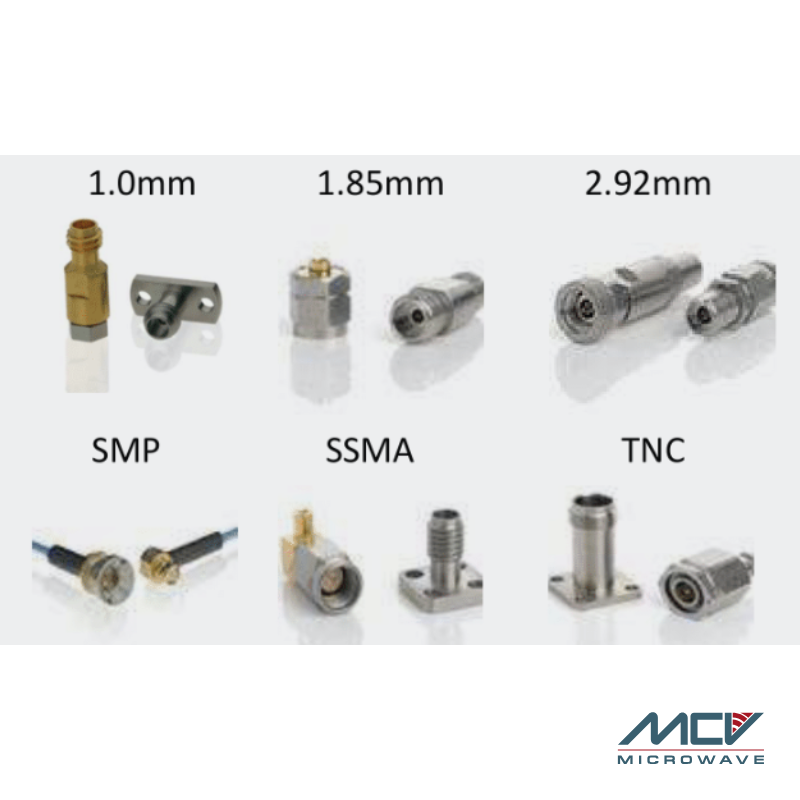
RF Adapters & Connectors
Ensure low-loss, high-reliability connections between test instruments, fixtures, and DUTs (Devices Under Test).
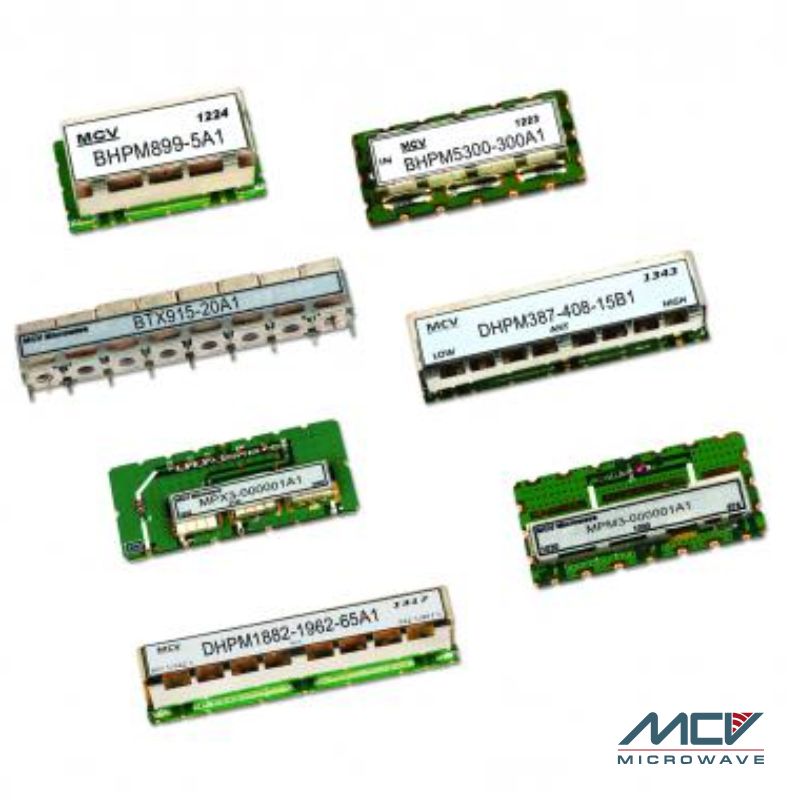
RF Filters
Control frequency behavior and eliminate unwanted noise or spurious signals during testing and evaluation.
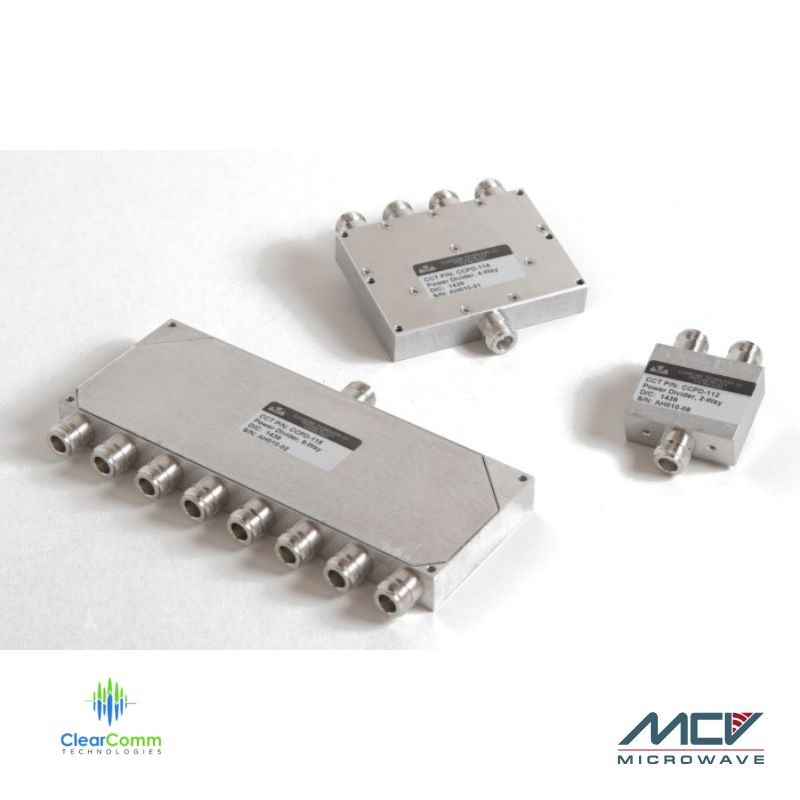
Wilkinson and Reactive Power Dividers
Deliver balanced signal splitting with excellent port-to-port isolation and phase matching—ideal for multi-channel testing.

DC Blocks
Isolate DC voltages while allowing clean RF signal transmission—ideal for protecting sensitive instrumentation during signal path analysis.
Powering Precision in Every Test
From component verification to system validation, MCV’s RF solutions help reduce uncertainty, improve test integrity, and support faster product development cycles.
Why Test Engineers Rely on MCV:
-
Repeatable performance across temperature and frequency
-
Precision-machined components for secure, stable connections
-
Low VSWR and minimal signal distortion
-
Custom configurations and tight spec matching
-
Fast delivery for lab and production needs
Applications We Support:
-
Vector Network Analyzers (VNAs)
-
Spectrum and Signal Analyzers
-
Automated Test Equipment (ATE)
-
Production Line RF Testing
-
R&D and Prototyping
-
Field and Lab Calibration
FAQ about the use of RF and Microwave products in the Test & Measurement industry
What are RF and microwave products used for in the Test & Measurement industry?
RF and microwave components and instruments are used to generate, condition, measure, and analyze signals across radio, microwave, and millimeter-wave frequencies. They support applications such as wireless communication testing, radar development, EMC/EMI testing, satellite systems, and high-speed digital validation.
What frequency ranges are typically covered by T&M RF/microwave equipment?
General-purpose RF instruments cover from a few kHz up to tens of GHz, while advanced microwave and mmWave equipment can reach 110 GHz and beyond, depending on the application (e.g., 5G FR2, automotive radar, satellite Ka/Ku-band).
Which instruments are commonly used for RF and microwave testing?
Key instruments include signal generators, vector signal analyzers, network analyzers (VNAs), spectrum analyzers, power meters, filters, attenuators, amplifiers, switches, and frequency converters. Each plays a role in characterizing signal behavior and system performance.
Why is calibration important for RF/microwave measurements?
At high frequencies, small variations in cables, connectors, temperature, and components can significantly affect results. Calibration ensures measurement accuracy, repeatability, and traceability to recognized standards.
What are the main challenges when working with RF and microwave signals?
Challenges include signal attenuation, impedance mismatches, noise, phase instability, calibration drift, connector wear, and environmental sensitivity. Accurate measurement often requires specialized hardware and strict test procedures.
How do RF and microwave switches improve test efficiency?
Switches allow automated routing of signals between multiple devices, reducing setup time and improving repeatability. They’re widely used in automated test systems (ATE), production test lines, and multiport characterization setups.
What’s the difference between coaxial and waveguide systems in microwave testing?
Coaxial systems are more flexible and easier to integrate but have higher losses at very high frequencies. Waveguides offer lower loss and higher power handling for frequencies typically above 18 GHz but require precise alignment and are less flexible.
How do attenuators and amplifiers support RF testing?
Attenuators help control signal levels and prevent instrument overload, while amplifiers boost weak signals to improve measurement sensitivity. Both are essential for controlling dynamic range and ensuring linear, distortion-free measurements.
What factors should be considered when selecting RF/microwave components for a test setup?
Key considerations include frequency range, power handling, insertion loss, VSWR/return loss, phase stability, noise figure, linearity, switching speed, environmental stability, and connector type.
How are RF and microwave products used in emerging technologies like 5G, Wi-Fi 7, and radar?
They enable testing of wideband modulations, high-frequency carrier bands, beamforming, MIMO systems, low-latency links, and high-resolution radars. Modern T&M platforms must handle higher bandwidths, greater dynamic range, and more complex signal environments.
How can I learn more about the use of RF and Microwave products in the Test & Measurements industry?
To learn more about the use of RF and Microwave products in the Test & Measurement industry please contact us and we will help you!