
Solutions for Fire Safety
Uninterrupted, high-integrity signal performance
Ensuring Signal Integrity in Mission-Critical Emergency Communication
In the realm of fire safety, reliable communication is not just a convenience—it’s a lifeline. Whether it’s first responder radio coverage in high-rise buildings or the integration of alarm systems and sensor networks, the performance of RF components directly impacts response time, coordination, and ultimately, lives.
At MCV, we specialize in RF and microwave components engineered to deliver uninterrupted, high-integrity signal performance in demanding environments.
Enhancing In-Building Public Safety Communications
Fire safety regulations increasingly mandate robust wireless coverage for emergency services within buildings and underground facilities. MCV supports these initiatives with precision-engineered passive components that ensure compliance with codes like NFPA 72, NFPA 1221, and IFC standards.

Featured Products for Fire Safety
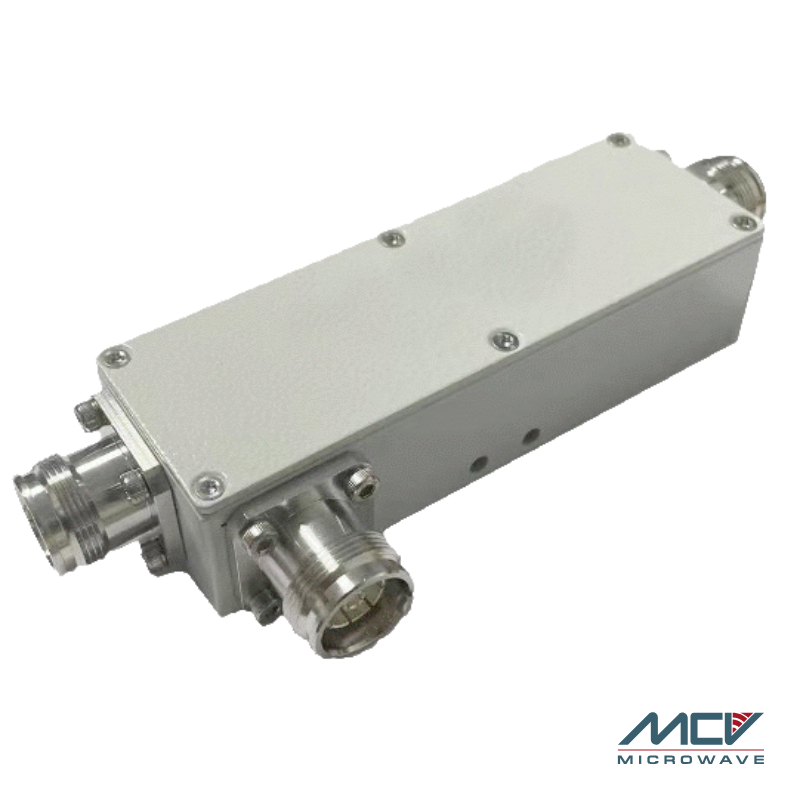
Directional Couplers
Support the even distribution of RF signals in redundant communication networks, ensuring no signal degradation during emergencies.
Low PIM Components
Including low PIM terminations, filters, and couplers—crucial for minimizing signal distortion in public safety DAS (Distributed Antenna Systems).
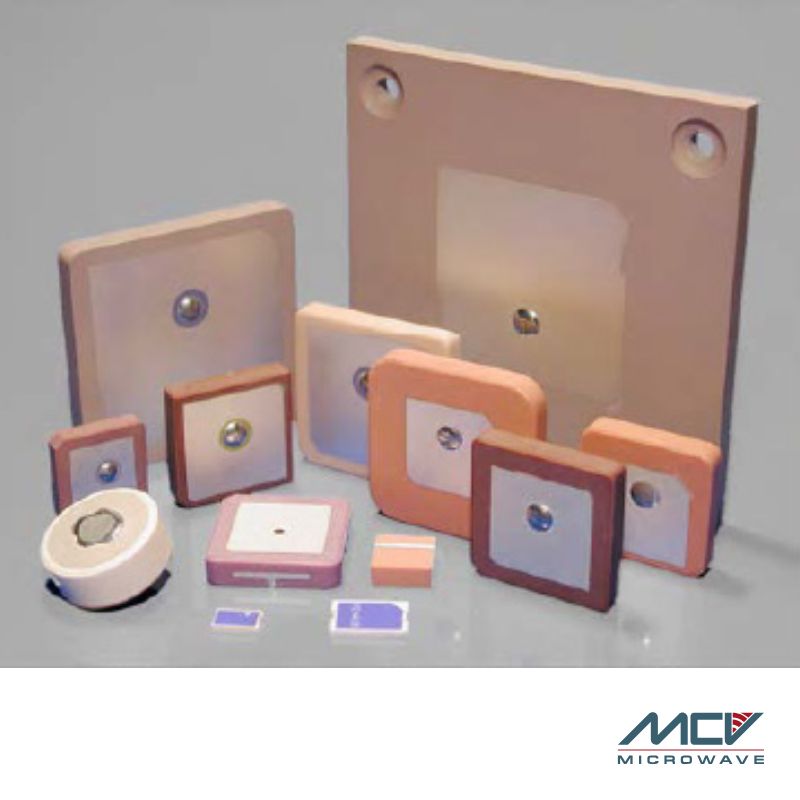
Directional & Patch Antennas
Improve signal coverage and penetration in indoor, high-interference environments, essential for firefighter radio systems.
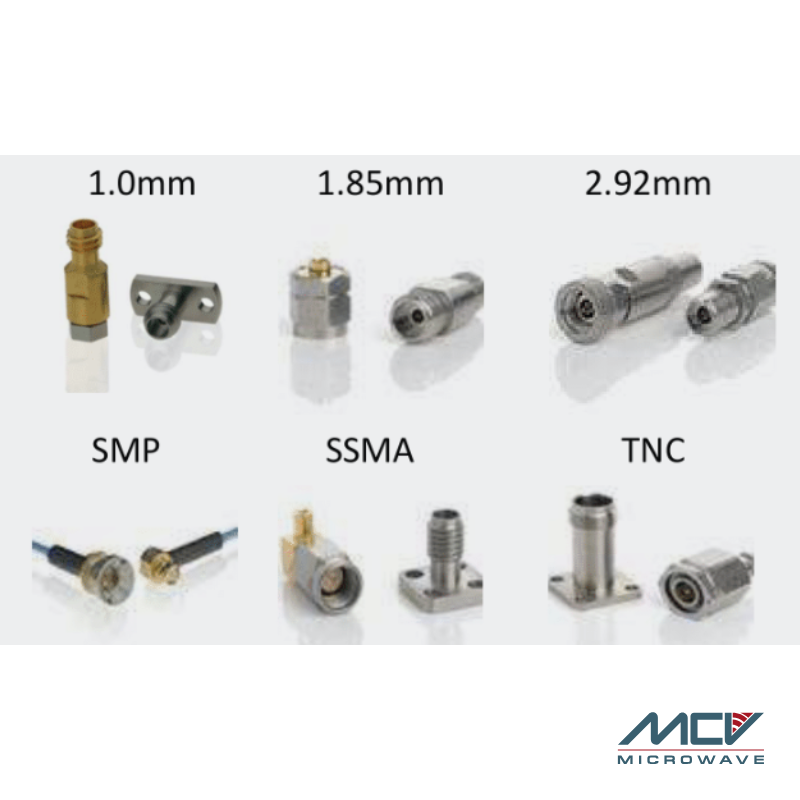
RF Cables, Adapters & Connectors
Reliable, rugged interconnect solutions to maintain system continuity under harsh environmental and operational conditions.
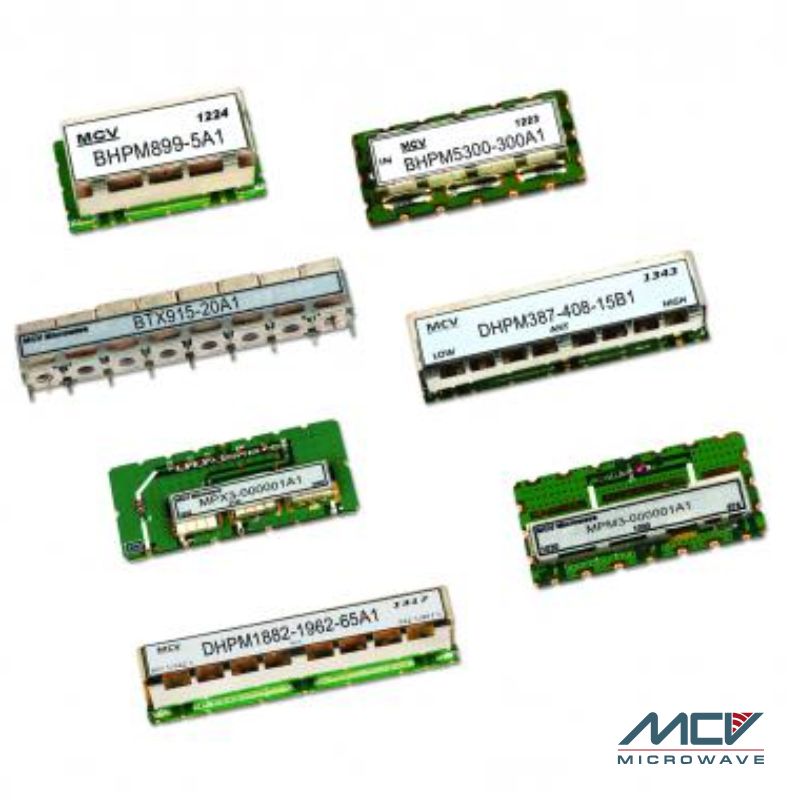
RF Filters
High-performance bandpass and notch filters to block unwanted interference and ensure clean signal channels for fire department communication systems.
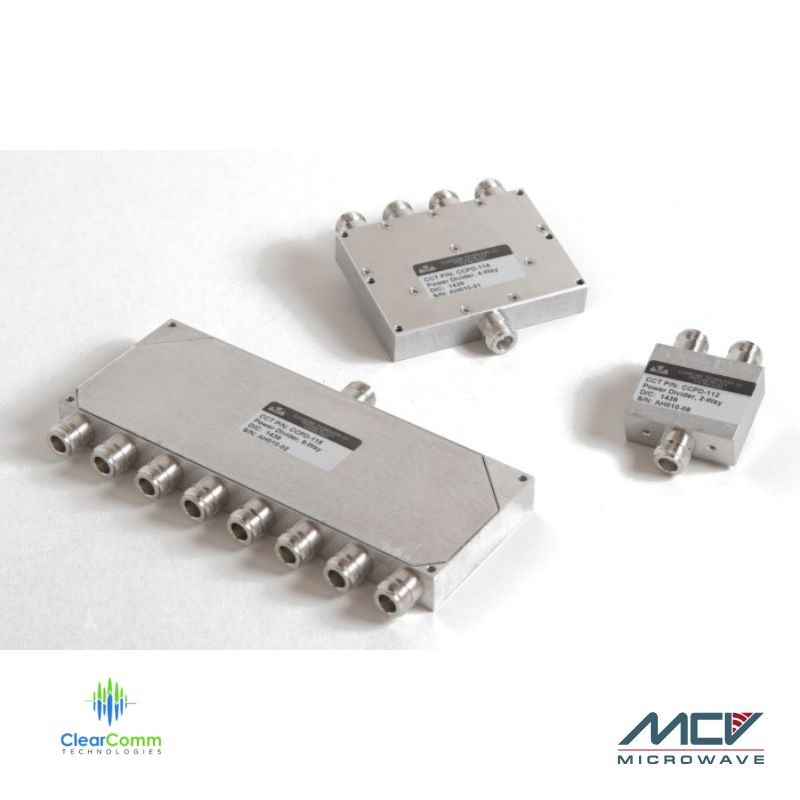
Power Dividers
Support the even distribution of RF signals in redundant communication networks, ensuring no signal degradation during emergencies.
MCV: Keeping Emergency Communications Clear When Every Second Counts
MCV’s RF components help fire safety professionals maintain connection and coordination during high-stakes situations, ensuring reliable communication in the most critical moments.
Why Fire Safety Engineers Trust MCV:
-
Low insertion loss and high isolation for emergency-grade communication
-
Low PIM performance to meet strict public safety communication standards
-
Durable, compact, and code-compliant designs
-
Custom configurations to meet local and national fire safety system requirements
-
Quick-turn manufacturing for retrofit and new construction projects
Applications We Support:
-
In-building public safety DAS (ERRCS/BDA systems)
-
First responder and firefighter radio networks
-
Fire alarm system communication
-
Wireless smoke and heat sensor integration
-
Remote monitoring in hazardous environments
FAQ about the use of RF and Microwave products for the Fire Safety
How are RF and microwave technologies used in fire detection systems?
RF and microwave sensors are used to detect motion, heat signatures, smoke density, and environmental changes. Microwave-based motion sensors, for example, can detect movement through smoke, steam, or dust—conditions that often impair optical detectors.
What advantages do microwave fire detectors offer over traditional infrared or optical detectors?
Microwave detectors can detect movement and occupancy even in visually obstructed environments. They are less affected by dust, fog, temperature fluctuations, and ambient light, making them ideal for harsh environments such as warehouses, tunnels, industrial plants, and parking structures.
Are RF/microwave sensors safe to deploy in fire-critical environments?
Yes. RF and microwave sensors emit very low-power signals and are designed to meet stringent safety and compliance standards. They do not create ignition risks and are routinely used in hazardous locations, including chemical plants and oil & gas facilities.
How do RF communications support fire alarm systems?
Wireless RF modules enable communication between distributed sensors, control panels, and repeaters. They ensure reliable operation even when cabling is difficult, damaged, or costly—common in historical buildings, large campuses, or rapid-deployment environments.
What RF frequencies are commonly used in wireless fire alarm systems?
Wireless fire safety systems typically use sub-GHz bands (e.g., 433 MHz, 868 MHz, 915 MHz) or 2.4 GHz, depending on regional regulations. These frequencies offer good penetration through walls, low power consumption, and reliable long-range communication.
How do microwave presence sensors improve fire and evacuation safety?
Microwave presence sensors detect people in areas obscured by smoke or debris, helping rescue teams determine occupancy during emergencies. They can also automatically control doors, ventilation, or emergency lighting during an evacuation.
Can RF technologies be used for asset and personnel tracking during fire emergencies?
Yes. RF systems such as RFID, UWB, or BLE beacons can track firefighter movement, locate equipment, and monitor evacuated zones. This improves situational awareness for emergency responders and enhances post-incident accountability.
What challenges affect RF performance in fire safety applications?
Challenges include interference from building materials, metal structures, thick concrete, and electromagnetic noise from machinery. High heat, humidity, and smoke can also influence sensor housing and electronics. Proper planning and rugged design mitigate these issues.
Are RF and microwave systems reliable during power outages or emergencies?
Most fire safety RF systems include battery backup, redundant communication paths, and self-healing mesh networks to ensure operation during power loss or structural damage. Regular testing and supervisory signals confirm system health.
How do microwave-based perimeter and intrusion sensors enhance fire safety?
In high-risk facilities (e.g., warehouses storing flammable materials), microwave perimeter sensors detect unauthorized entry, equipment movement, or hazardous activity that could lead to fire. They help enforce safety protocols and reduce risk before incidents occur.
How can I learn more about the use of RF and Microwave products for the Fire Safety
To learn more about the use of RF and Microwave products for the Fire Safety please contact us and we will help you!