
Public Safety Communications
Reliable, Mission-Critical RF Solutions for First Responders
Reliable RF performance for public safety
In the world of public safety—where communication can mean the difference between life and death—reliable RF performance is not optional. From emergency services to disaster response, mission-critical systems demand robust, interference-free connectivity.
MCV offers a comprehensive portfolio of RF and microwave components specifically engineered to meet the stringent requirements of public safety networks, ensuring seamless, dependable performance in the field.

Featured Products for Public Safety Communications
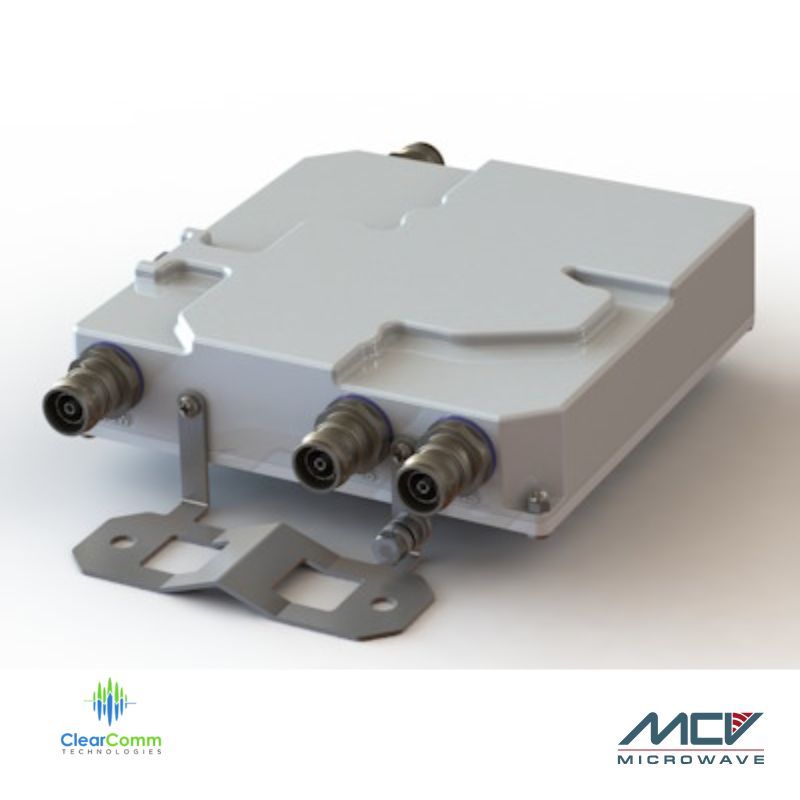
Multi-Band Combiners
Enable multiple frequency bands to share a single antenna system, optimizing tower space and simplifying infrastructure in multi-agency deployments.
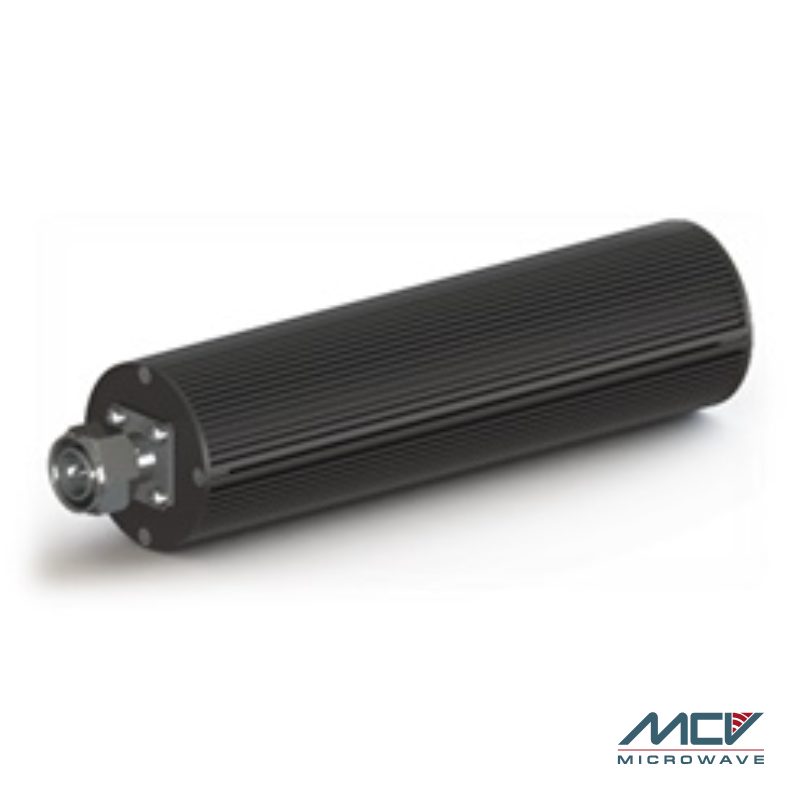
Low PIM Terminations
Reduce passive intermodulation (PIM) for enhanced signal clarity in high-density RF environments—crucial for emergency networks operating across shared infrastructure.
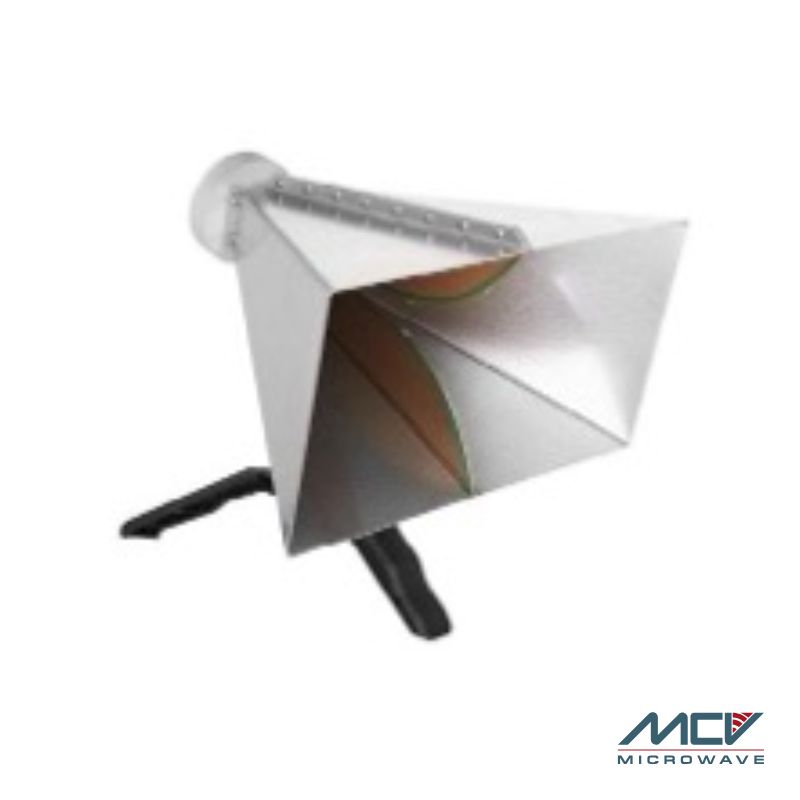
Directional Antennas
Provide focused or wide-area coverage options to meet the diverse geographic and situational needs of public safety teams, from urban zones to rural terrains.
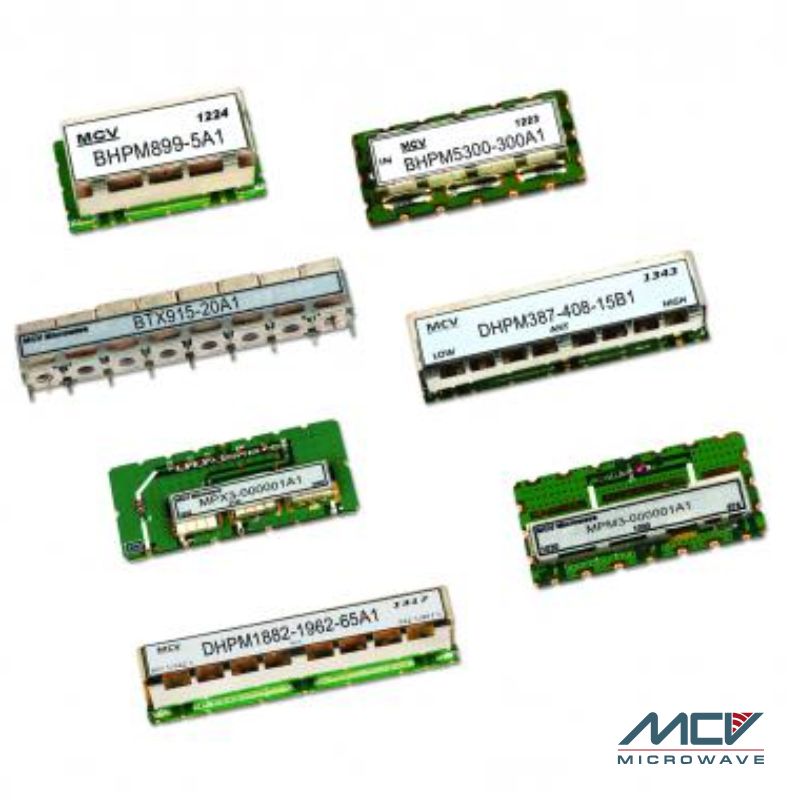
RF Filters
Isolate and protect critical frequency bands, ensuring immunity from interference and preserving signal quality during high-traffic or co-located system use.
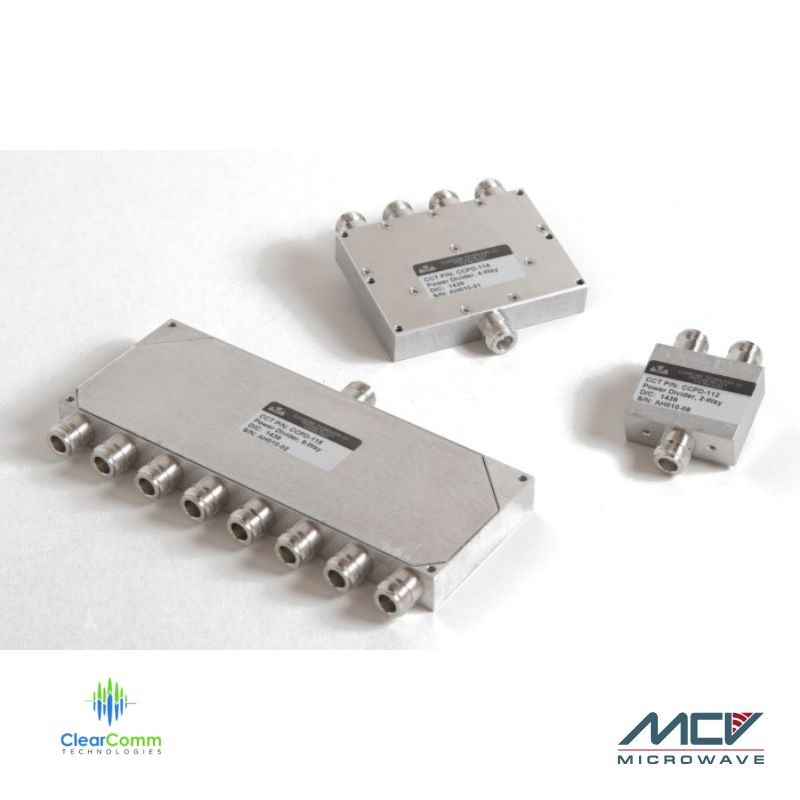
Wilkinson Power Dividers
Support signal distribution and system testing, helping maintain balanced power flow and system reliability during routine operations and crises.
Built for Harsh Environments
MCV’s components are designed with rugged construction and environmental resilience, including temperature tolerance, vibration resistance, and waterproof enclosures—making them ideal for mobile command centers, base stations, and field-deployed assets.
Why MCV for Public Safety?
-
High Reliability & Low PIM Performance
-
Broad Frequency Coverage (VHF, UHF, 700/800 MHz, LTE, and more)
-
Custom Solutions Available for Specialized Deployments
-
Compliance with Public Safety Communications Standards
Applications
-
Emergency Communication Centers
-
Public Safety DAS & In-Building Coverage
-
First Responder Networks (Police, Fire, EMS)
-
Disaster Recovery Infrastructure
-
Inter-agency Communication Hubs
FAQ about the use of RF and Microwave products in the Public Safety industry
What are RF and Microwave products in the context of Public Safety?
RF (Radio Frequency) and Microwave products refer to communication and signal-transmission technologies such as repeaters, antennas, filters, amplifiers, and distributed antenna systems (DAS) used to support emergency communications for police, fire, EMS, and other first-responder agencies.
Why are RF and Microwave systems critical for Public Safety communications?
They provide reliable, mission-critical wireless communication links that allow first responders to coordinate in real time. Unlike commercial networks, public safety systems must operate even in extreme conditions and high-interference environments.
What frequency bands are typically used for Public Safety RF communications?
Common public safety bands include VHF (30–300 MHz), UHF (300–512 MHz), 700/800 MHz, and 4.9 GHz. The band used depends on the region, system design, and agency requirements.
How do RF repeaters improve Public Safety communication coverage?
Repeaters receive weak signals from field radios, amplify them, and retransmit them across a wider area—improving coverage in remote, rural, or obstructed environments like dense urban centers.
What role do filters and duplexers play in Public Safety radio systems?
They prevent interference between multiple channels or frequency bands operating in close proximity. This ensures clean, intelligible communication, especially in shared-spectrum environments.
Why is in-building coverage important for Public Safety agencies?
Firefighters, police, and EMS personnel often operate inside commercial buildings, tunnels, or parking structures where RF signals struggle to penetrate. In-building systems like DAS, bi-directional amplifiers (BDAs), and passive components ensure reliable communication indoors.
What standards govern RF and Microwave products for Public Safety?
Key standards include NFPA 72, IFC (International Fire Code) requirements for emergency responder radio coverage, and P25 (Project 25) for interoperability among agencies.
How do microwave backhaul links support Public Safety networks?
Microwave links provide high-reliability, long-distance, point-to-point communication for connecting towers, dispatch centers, and data networks—often used when fiber is unavailable or as resilient redundancy.
What steps are taken to minimize RF interference in Public Safety systems?
This may involve using filters, proper channel spacing, site surveys, spectrum monitoring, and careful antenna placement to ensure critical communications are not degraded by commercial or nearby RF sources.
How are RF and Microwave systems maintained for mission-critical reliability?
Routine inspections, signal testing, firmware updates, battery and power backup checks, and real-time system monitoring ensure the network remains operational during emergencies and disasters.
How can I learn more about the use of RF and Microwave products in the Public Safety industry?
To learn more about the use of RF and Microwave products in the Public Safety industry please contact us and we will help you!