
Solutions for Agriculture industry
Connectivity, data transmission and real-time monitoring
Innovative RF & Microwave Technologies to Optimize Agricultural Efficiency and Sustainability
The agriculture industry is undergoing a major transformation with the increasing integration of smart farming technologies and precision agriculture. At MCV, we provide RF and microwave solutions that enhance connectivity, data transmission, and real-time monitoring, ensuring that farmers can make more informed decisions, improve yields, and maximize operational efficiency. Our products are built to withstand the demanding environmental conditions found in agricultural settings, from remote rural areas to harsh weather environments.
MCV Products Tailored for Agriculture
MCV offers a range of RF solutions that support precision agriculture, remote monitoring systems, and wireless communications for farmers and agribusinesses, improving efficiency and productivity across the entire agricultural value chain.
Featured Products for Agriculture Industry
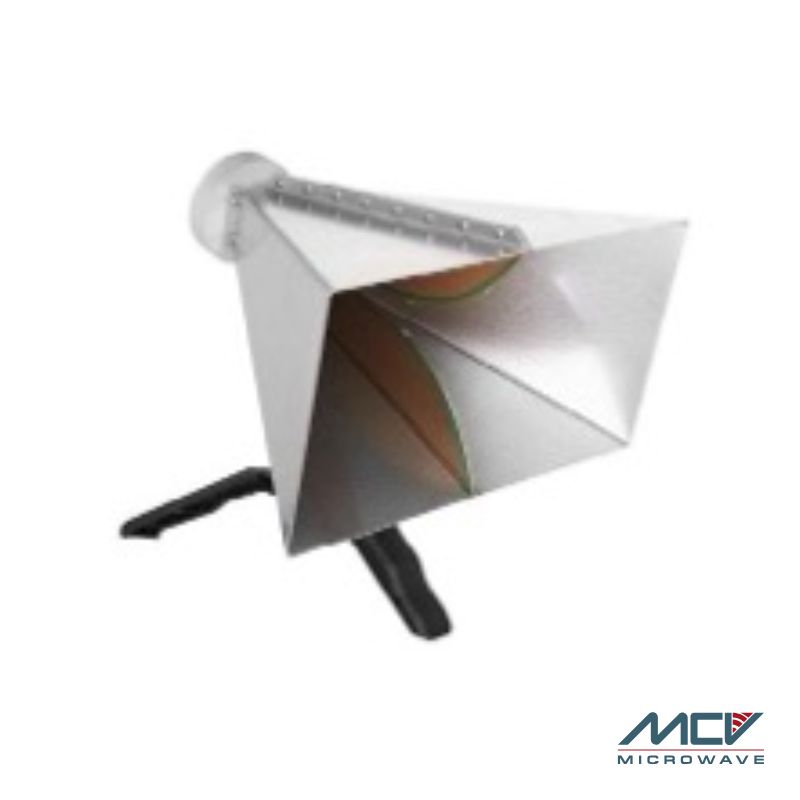
Directional Antennas
Provide high-performance wireless communication between field sensors, drones, and central control systems, enabling real-time data transfer on soil moisture, crop health, weather conditions, and more.
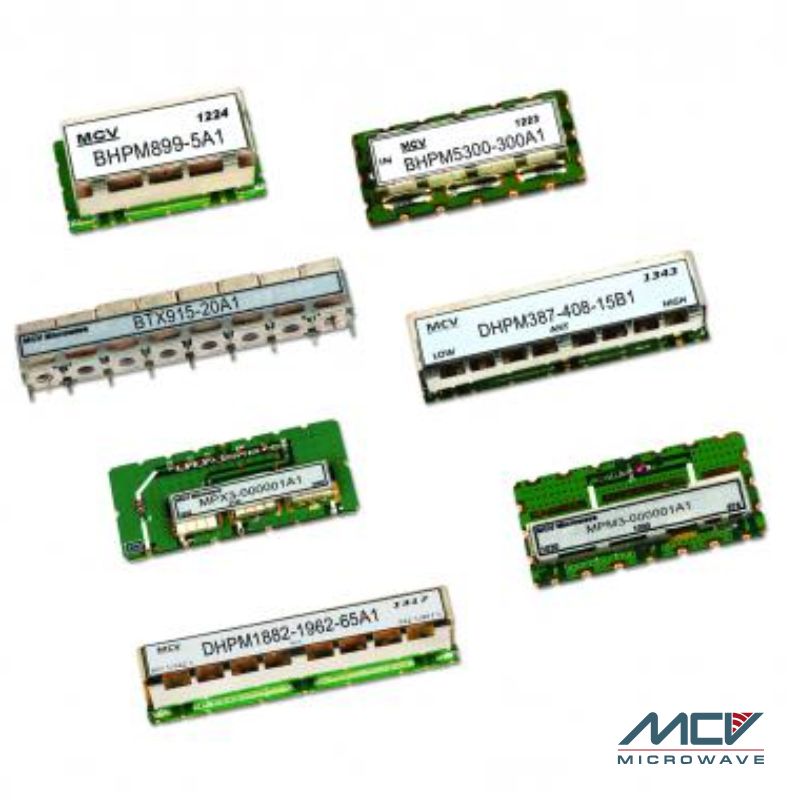
RF Filters
Filter unwanted signals and provide clear communication in agricultural IoT systems, ensuring data from remote sensors reaches the central database without interference.
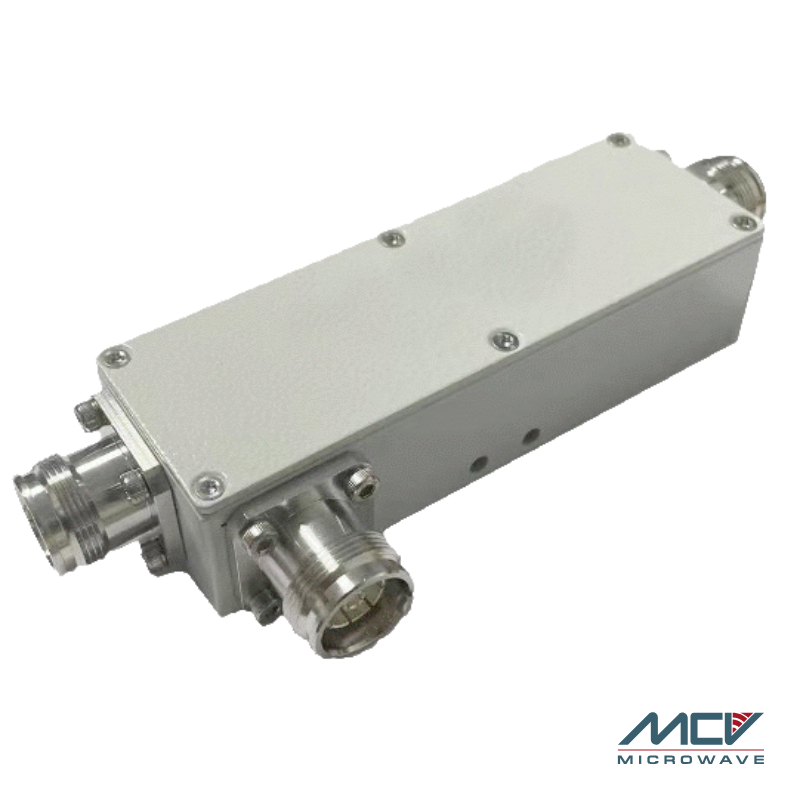
Directional Couplers
Distribute RF signals efficiently in monitoring systems, allowing for multi-sensor communication and real-time data collection on farm equipment, irrigation systems, and more.
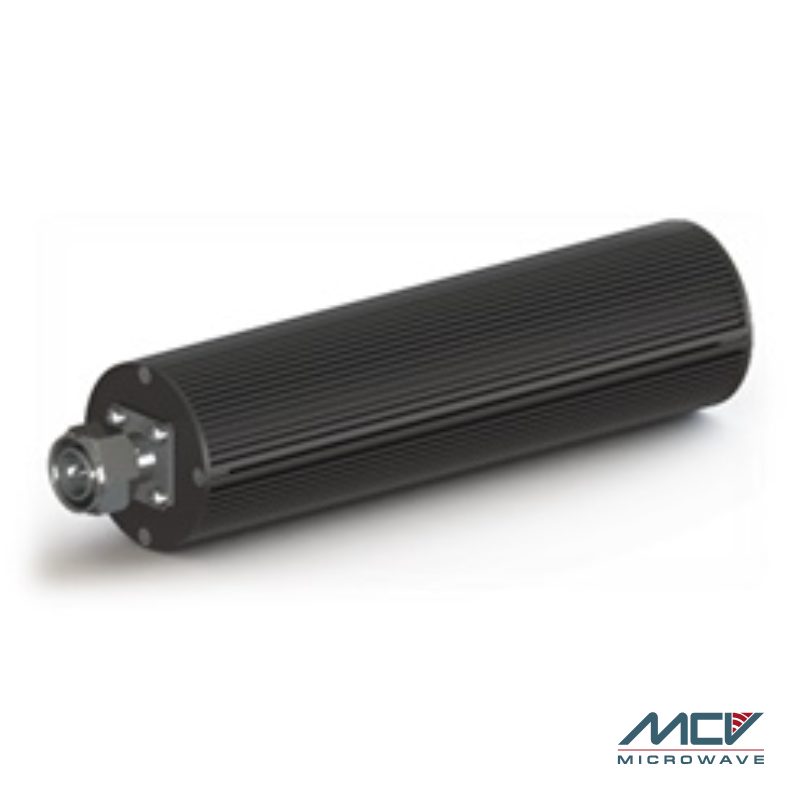
Low PIM Components
Ensure high-quality signal integrity in wireless communication systems, minimizing performance issues caused by passive intermodulation (PIM), which is vital for reliable data transmission from remote agricultural sensors and systems.
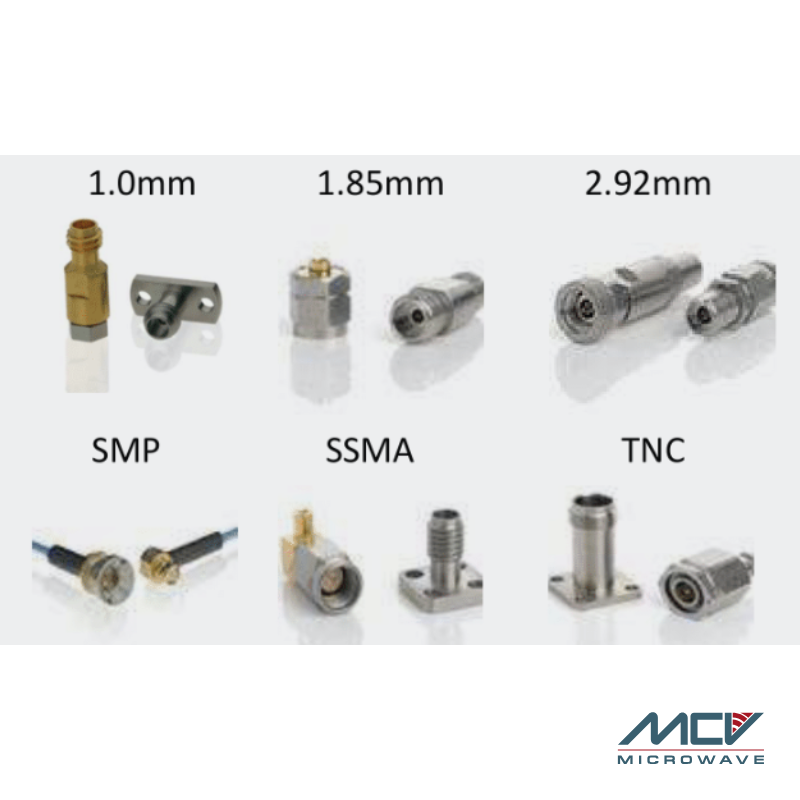
RF Cables, Adapters & Connectors
Provide rugged, reliable connections between wireless communication devices and monitoring systems used in crop management, livestock tracking, and irrigation control in outdoor agricultural settings.
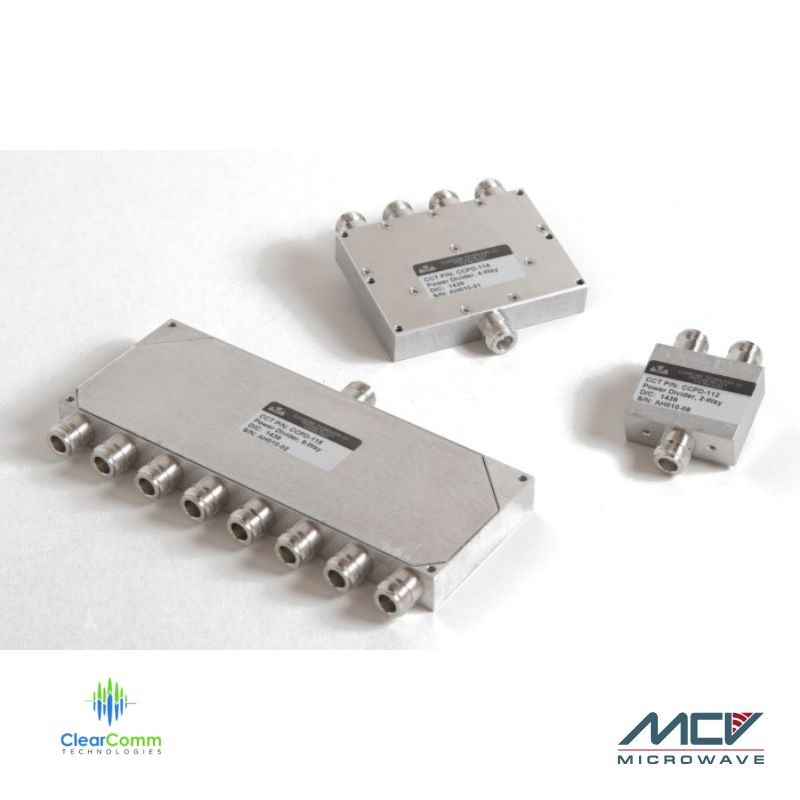
Power Dividers
Distribute RF signals efficiently in monitoring systems, allowing for multi-sensor communication and real-time data collection on farm equipment, irrigation systems, and more.
Why Agriculture Operators Choose MCV:
-
Durability and reliability in harsh agricultural environments (weather, soil exposure, and rugged terrain)
-
High-performance wireless solutions for improved data transmission and operational efficiency
-
Wide frequency range support to accommodate different agricultural applications and systems
-
Low interference, high isolation for clear communication between farm equipment, sensors, and remote monitoring systems
-
Custom-engineered solutions designed to meet the unique needs of modern agriculture
-
Responsive support to optimize system setup and performance in the field
Applications in Agriculture:
-
Precision Agriculture & Smart Farming
-
Farm Equipment Monitoring
-
Livestock Tracking
-
Irrigation Control Systems
-
Drone-based Crop Monitoring
MCV Empowering the Future of Agriculture
MCV is committed to helping the agriculture industry innovate and grow smarter. With our advanced RF solutions, farmers can rely on real-time data, increase automation, and improve productivity while promoting sustainability and resource efficiency. Our robust solutions for smart farming, precision agriculture, and remote monitoring are designed to withstand the challenges of the agricultural environment, helping farmers operate more efficiently and sustainably.
FAQ about the use of RF and Microwave products in the Agriculture Industry
What are RF and microwave technologies in agriculture?
RF and microwave technologies use electromagnetic waves to heat, sense, or communicate. In agriculture, they’re applied for soil treatment, pest control, moisture sensing, grain drying, and wireless monitoring.
How are RF/microwave systems used for pest control?
They can selectively heat insects or pests within crops, soil, or stored grains—killing them without chemical pesticides. This provides a residue-free and eco-friendly pest management option.
Can RF or microwave treatment damage crops?
When properly calibrated, these technologies target pests or moisture levels without harming seeds or produce. Overexposure or incorrect power levels can cause thermal stress, so professional system design and monitoring are essential.
What are the advantages of using RF/microwave drying for grains or nuts?
RF/microwave drying offers faster, more uniform drying compared to hot-air methods. It reduces mold risk, preserves quality, improves energy efficiency, and can increase throughput in processing facilities.
Are RF/microwave technologies safe for humans and livestock?
Yes—when used in enclosed or shielded equipment that meets regulatory standards (such as FCC/IC/CE). Proper shielding prevents exposure. Operators must follow safety guidelines.
Can RF sensors measure soil moisture?
Absolutely. RF-based sensors are widely used for real-time soil moisture monitoring. They allow precision irrigation, helping farmers optimize water use and improve crop yields.
How do RF systems support precision agriculture?
RF technologies enable wireless communication between sensors, drones, tractors, and control systems. They support GPS correction (RTK), weather monitoring, livestock tracking, and remote farm management.
Are RF and microwave solutions environmentally friendly?
Yes. They reduce chemical pesticide use, lower energy consumption in drying processes, and promote resource-efficient farming through data-driven irrigation and monitoring.
What crops can benefit from RF/microwave pest management or drying?
Common applications include nuts (almonds, pistachios), grains (wheat, corn, rice), dried fruits, seeds, timber, and even soil pre-treatment before planting vegetables.
How expensive is it to adopt RF/microwave technologies in agriculture?
Costs vary widely depending on system size, power level, and application. While initial investment may be higher than conventional methods, long-term savings arise from reduced chemicals, faster processing, improved quality, and operational efficiency.
How can I learn more about the use of RF and Microwave products in the Agriculture Industry
To learn more about the use of RF and Microwave products in the Agriculture Industry please contact us and we will help you!