
ANTENNAS
Accuracy, durability and efficiency with microwave RF antennas
We provide a specialized range of antennas designed for high-performance communication and positioning systems. Engineered for accuracy, durability, and efficiency, our antennas support a wide variety of applications across industries.
-
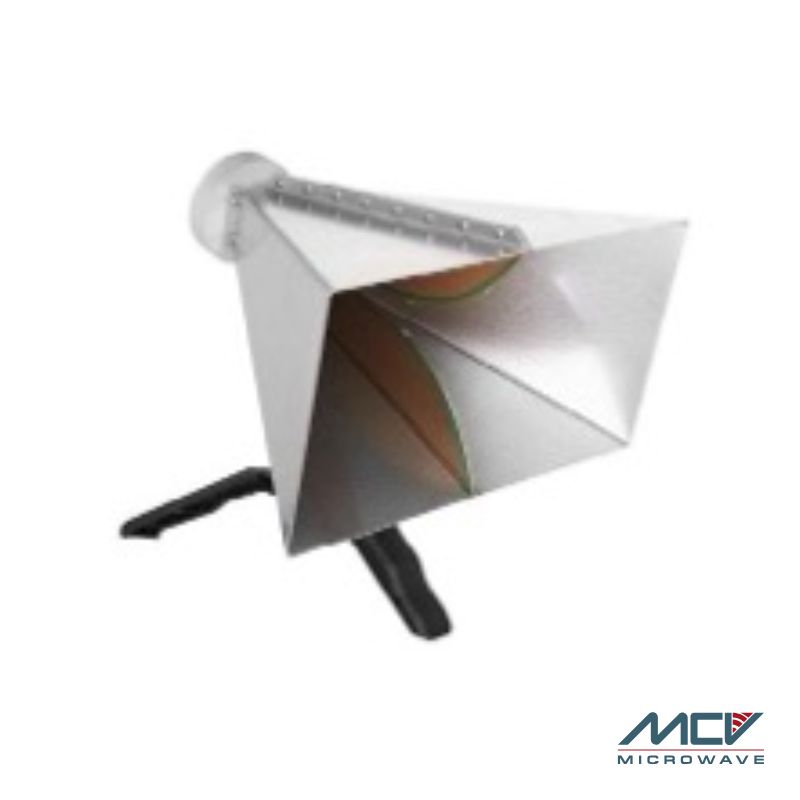
Directional Antennas: Ideal for focused signal transmission and reception, our directional antennas offer enhanced range, gain, and interference rejection—perfect for point-to-point communication systems.
-
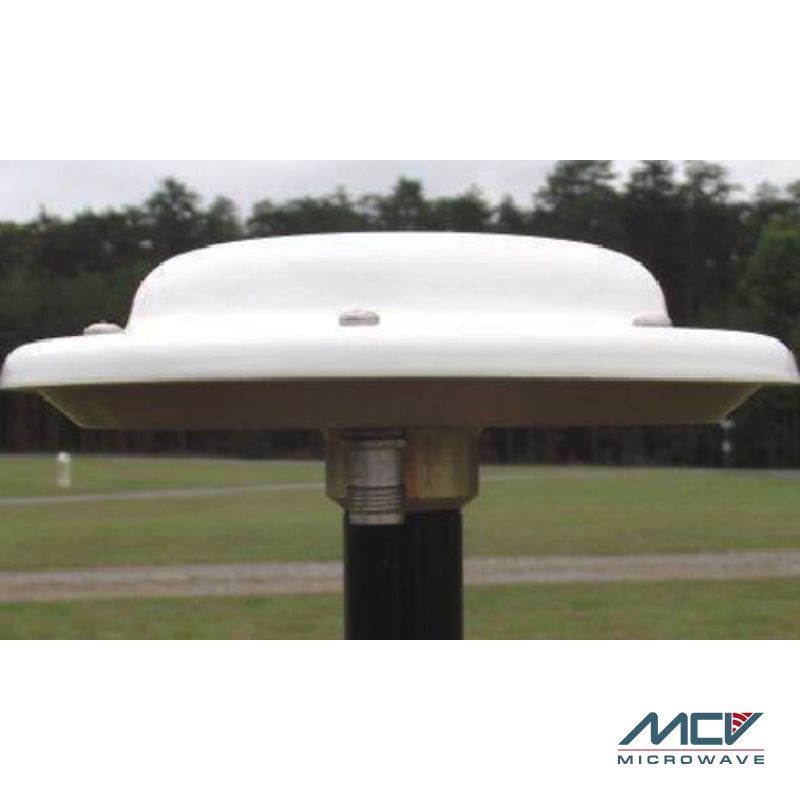
GNSS Antennas: Designed for precision and reliability, our GNSS (Global Navigation Satellite System) antennas deliver accurate positioning and navigation, even in challenging environments.
-
Patch Antennas: Compact and robust, our patch antennas provide excellent performance in both embedded and external configurations, making them suitable for a wide range of wireless and GPS-enabled devices.
With a focus on performance and quality, our antenna solutions help ensure clear, consistent signal reception and transmission. Explore our products to find the perfect fit for your application.
Explore our microwave RF Antennas
Directional Antenna
GNSS Antenna
Patch Antenna

FAQ about RF antennas
What is an RF antenna?
An RF antenna is a device that converts electrical signals into electromagnetic waves (for transmission) or vice versa (for reception) within the radio frequency spectrum, typically from 3 kHz to 300 GHz.
What are the main types of RF antennas?
Common RF antenna types include:
-
Dipole antennas
-
Monopole antennas
-
Patch (microstrip) antennas
-
Yagi-Uda antennas
-
Horn antennas
-
Parabolic dish antennas
-
Loop antennas
Each type is suited to specific frequency ranges and applications.
What factors determine an antenna’s performance?
Key performance factors include:
-
Frequency range (bandwidth)
-
Gain (directional amplification of signal)
-
Radiation pattern
-
Polarization
-
Impedance matching (typically 50 or 75 ohms)
-
VSWR (Voltage Standing Wave Ratio)
What is antenna gain?
Antenna gain measures how effectively an antenna directs radio energy in a specific direction compared to an isotropic radiator (a theoretical antenna that radiates equally in all directions). It’s expressed in dBi (decibels relative to isotropic).
What is the difference between omnidirectional and directional antennas?
-
Omnidirectional antennas radiate or receive signals equally in all horizontal directions (e.g., whip antennas).
-
Directional antennas focus energy in one direction, providing higher gain and longer range (e.g., Yagi or parabolic antennas).
How does antenna size relate to frequency?
Antenna size is inversely proportional to frequency.
The higher the frequency, the smaller the antenna can be.
For example, antennas for 2.4 GHz (Wi-Fi) are much smaller than those for 100 MHz (FM radio).
What is impedance matching in antennas?
Impedance matching ensures maximum power transfer between the antenna and the transmission line or receiver.
If mismatched, part of the signal is reflected back, causing losses and higher VSWR.
What is polarization in RF antennas?
Polarization describes the orientation of the electric field of the radiated wave.
Common types include:
-
Linear polarization (vertical or horizontal)
-
Circular polarization
Matching polarization between transmitter and receiver improves signal strength.
How do environmental factors affect antenna performance?
Antenna performance can be affected by:
-
Nearby metal objects or surfaces (cause reflections and detuning)
-
Weather conditions (especially at high frequencies)
-
Mounting height and location
-
Obstructions such as buildings, trees, or walls
What are typical applications of RF antennas?
RF antennas are used in:
-
Wireless communication (Wi-Fi, Bluetooth, cellular)
-
Broadcasting (radio and TV)
-
Radar and navigation systems
-
IoT and sensor networks
-
Satellite communication
-
RFID and remote controls
What is the difference between VSWR and return loss in antennas?
VSWR and return loss both describe impedance matching quality. VSWR is a ratio indicating reflected power, while return loss (measured in dB) quantifies how much power is reflected back toward the source. Lower VSWR corresponds to higher return loss and better antenna efficiency.
What does antenna bandwidth mean, and why is it important?
Antenna bandwidth is the range of frequencies over which the antenna performs efficiently (typically defined by acceptable VSWR). Wider bandwidth allows the antenna to support multiple channels or standards without retuning.
What is antenna tuning, and when is it required?
Antenna tuning involves adjusting the antenna’s physical or electrical characteristics to achieve proper impedance matching at the desired frequency. Tuning is often required when antennas are installed in new environments or integrated into compact devices.
What are MIMO antennas, and how do they improve performance?
MIMO (Multiple Input, Multiple Output) systems use multiple antennas to transmit and receive signals simultaneously. They improve data rates, reliability, and signal robustness in applications such as Wi-Fi, LTE, and 5G.
Can one RF antenna support multiple frequency bands?
Yes. Multiband and broadband RF antennas are designed to operate across multiple frequency bands, allowing a single antenna to support several wireless technologies. However, single-band antennas often provide higher efficiency and better performance within their intended frequency range.
What is antenna efficiency?
Antenna efficiency is the percentage of input power that is successfully radiated as electromagnetic energy. It is affected by conductor losses, dielectric losses, impedance matching, and antenna design. Higher efficiency results in stronger signal transmission and improved receiver performance.
How long do RF antennas typically last?
The service life of an RF antenna depends on its construction, installation environment, and operating conditions. Indoor antennas can provide reliable performance for many years, while outdoor antennas designed with corrosion-resistant materials and weatherproof enclosures are built to withstand long-term exposure to wind, rain, UV radiation, and temperature extremes.
What should be considered when choosing between indoor and outdoor antennas?
Indoor antennas prioritize compact size and aesthetics, while outdoor antennas must withstand environmental exposure and often provide higher gain. Factors such as weatherproofing, mounting method, and cable losses are critical for outdoor installations.
How do I choose the right RF antenna for my application?
Selecting the right RF antenna depends on several factors, including operating frequency, required gain, radiation pattern, polarization, available installation space, environmental conditions, connector type, and the desired communication range. The antenna should also be compatible with the transmitter, receiver, and cable system to achieve optimal performance.
Can RF antennas be customized?
Yes. RF antennas can be customized for specific frequency bands, gain requirements, polarization, mounting options, connector types, mechanical dimensions, and environmental conditions. Custom antenna designs are widely used in telecommunications, defense, aerospace, industrial automation, and IoT applications.
Does MCV provide custom or rugged RF antennas?
Yes. MCV offers high-performance, rugged RF antennas designed for harsh environments and mission-critical applications. Custom configurations are available to meet unique system requirements.
How can I order RF antenna from MCV Microwave?
To place an order for RF antenna please contact us and we will help you!