
Solutions for Railway industry
Safety, reliability and operational efficiency
Reliable RF & Microwave Technologies for Safe, Efficient and Connected Railways
The railway industry requires robust, high-performance communication and monitoring systems to ensure safety, reliability, and operational efficiency. Whether it’s for train-to-trackside communication, real-time monitoring of train systems, or control systems for signaling and safety, MCV’s precision-engineered RF and microwave components are designed to support the unique needs of railway operators worldwide.
MCV Products Designed for the Railway Sector
MCV offers an array of RF solutions that support advanced signaling systems, telecommunication infrastructure, remote monitoring, and data communication in both urban and rural railway networks.
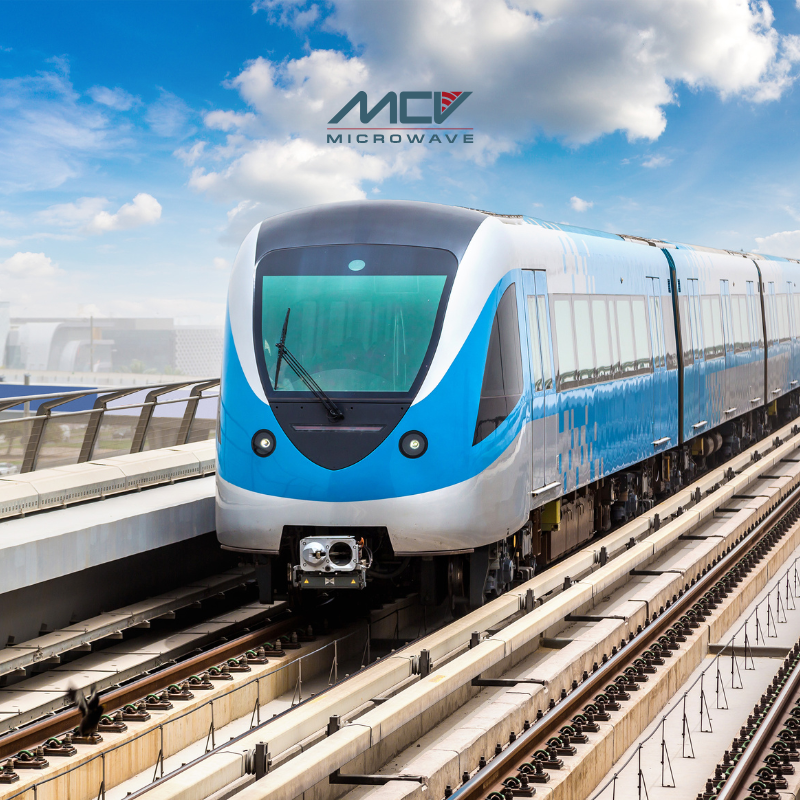
Featured Products for Railway Industry
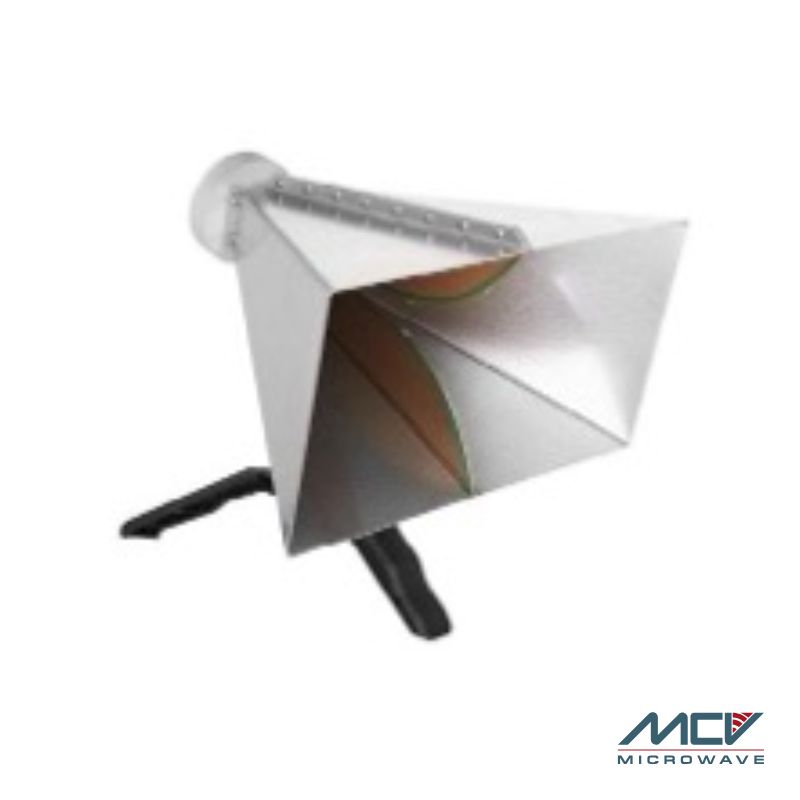
Directional Antennas
High-performance antennas that enable train-to-trackside communication and support wireless signaling systems, ensuring seamless communication across rail networks.
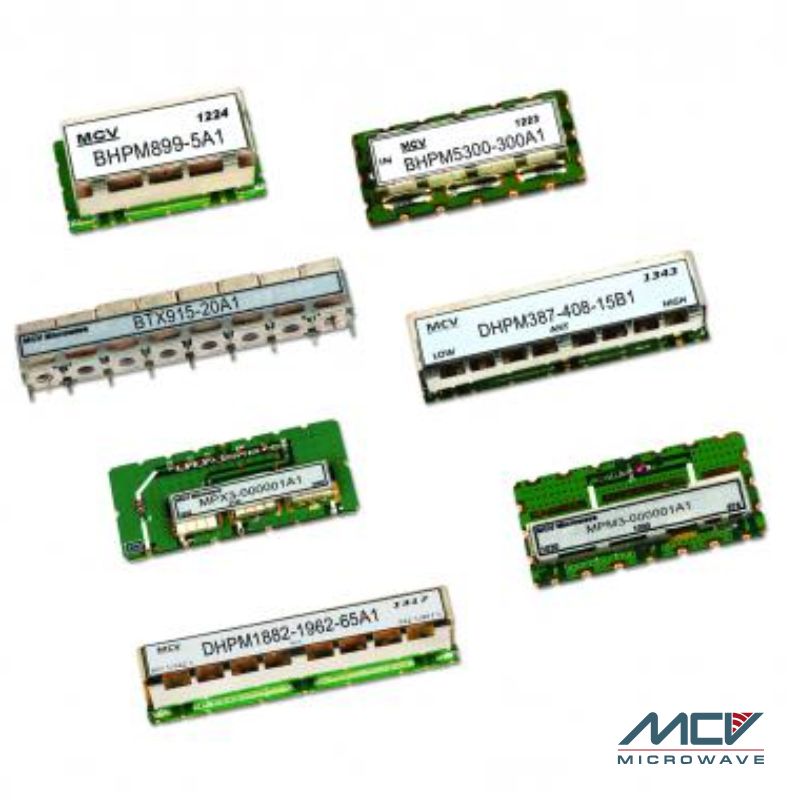
RF Filters
Provide signal isolation and filtering for train control systems, ensuring clean and interference-free communication in urban environments with heavy RF traffic.
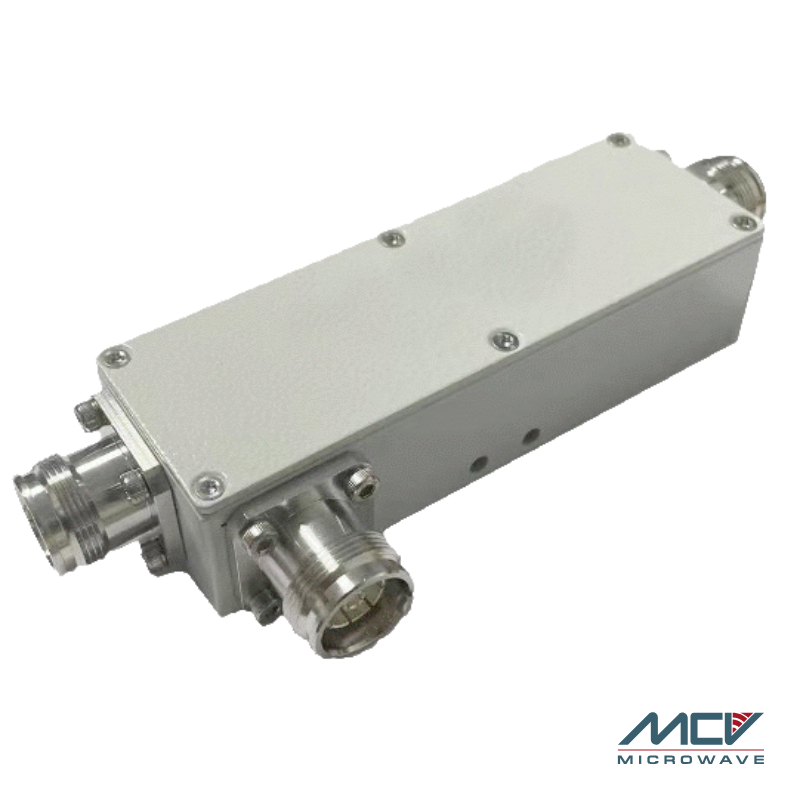
Directional Couplers
Efficiently divide or sample RF signals in telemetry and communication systems, enabling real-time data transmission for train location tracking, safety monitoring, and remote diagnostics.
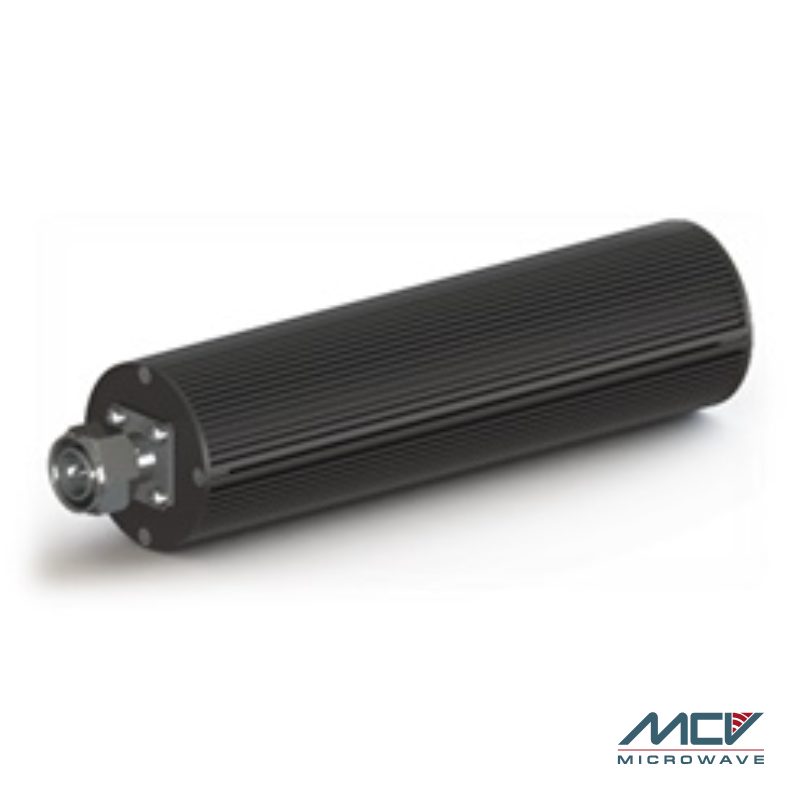
Low PIM Components
Support high-quality wireless communications for train-to-ground communication, control systems, and signal transmission, minimizing performance issues caused by passive intermodulation (PIM).
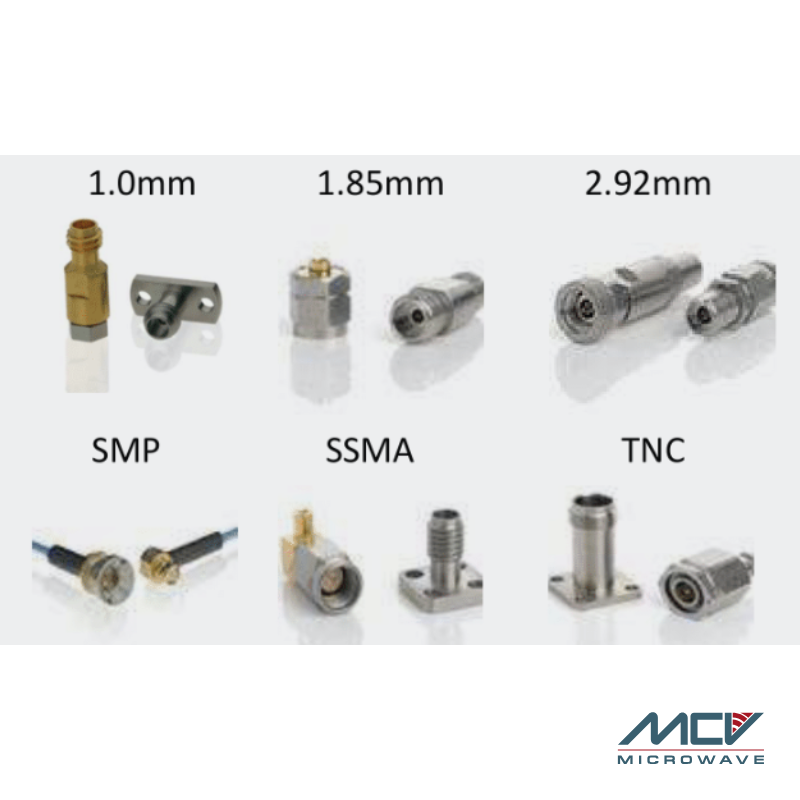
RF Cables, Adapters & Connectors
Provide rugged and reliable interconnections for various railway communication and monitoring systems, built to withstand the vibration and extreme weather conditions typically found in railway environments.
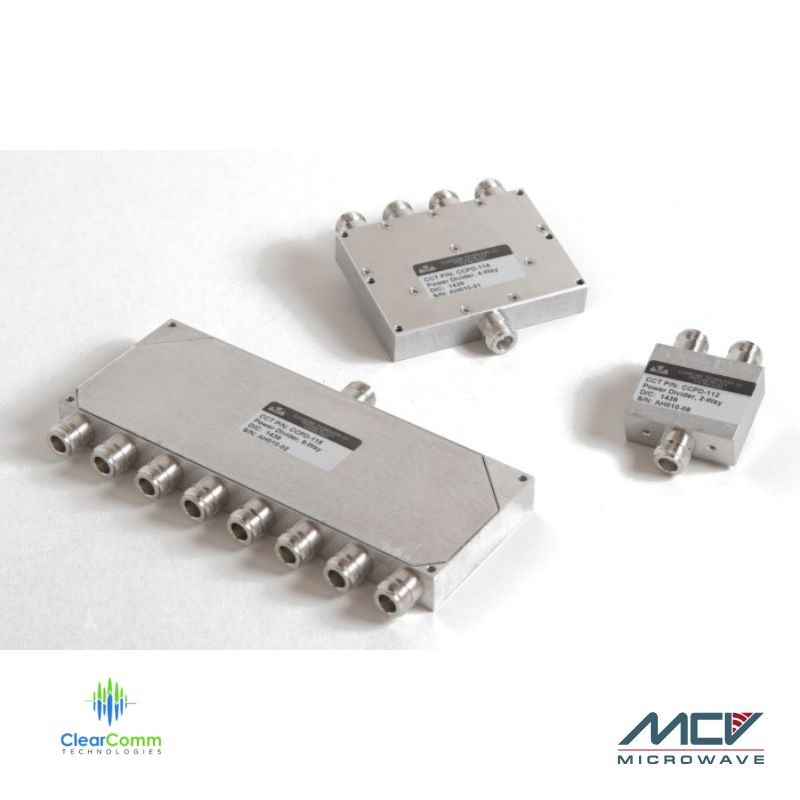
Power Dividers
Efficiently divide or sample RF signals in telemetry and communication systems, enabling real-time data transmission for train location tracking, safety monitoring, and remote diagnostics.
Why Railway Operators Choose MCV:
-
High reliability and durability for field operations in harsh conditions (extreme weather, vibrations, etc.)
-
Wide frequency range support for various telecommunications, signaling, and control systems
-
Low insertion loss and high isolation for clean, high-quality signal transmission
-
Custom-engineered solutions tailored to specific safety and monitoring system needs
-
Responsive customer service and technical support to optimize system performance
Applications in Railway Operations:
-
Train-to-Trackside Communication
-
Real-Time Train Monitoring
-
Wireless Signaling Systems
-
Fleet Management & GPS Tracking
-
Passenger Information Systems
MCV Empowering the Future of Railway Communications
MCV’s cutting-edge RF solutions are designed to keep railway networks safe, efficient, and connected, enhancing the operational efficiency of railway companies while ensuring passenger safety and service reliability. From train tracking to critical communication systems, MCV is there to support every step of the journey.
FAQ about the use of RF and Microwave products in the Railway Industry
How are RF and microwave technologies used in modern railways?
They provide wireless communication, radar-based sensing, train control support, passenger connectivity, and monitoring of infrastructure. These technologies help improve safety, operational efficiency, and real-time data sharing across rail networks.
What role do RF systems play in train-to-ground communication?
RF communication enables continuous data exchange between trains and control centers. Technologies such as LTE-R, FRMCS (Future Railway Mobile Communication System), Wi-Fi, and private wireless networks support signaling, diagnostics, and real-time monitoring.
How are microwave sensors used in railway safety and detection systems?
Microwave radar sensors detect track obstructions, monitor level crossings, measure train speed, and provide collision-avoidance support. They work reliably in harsh weather such as fog, rain, snow, and dust, where optical sensors often fail.
Which RF frequencies are commonly used in railway communication systems?
Railways use dedicated bands for signaling and operations, such as GSM-R frequencies, FRMCS spectrum allocations, and industrial bands (e.g., 2.4 GHz and 5 GHz) for Wi-Fi. Trackside sensors may use sub-GHz or microwave frequencies depending on requirements.
How do RF technologies support passenger services?
RF systems enable onboard Wi-Fi, cellular backhaul through microwave links, passenger information systems, and location-based services. High-speed, reliable backhaul ensures consistent Internet access even on fast-moving trains.
What RF/microwave products are used to monitor railway infrastructure?
Wireless sensors using RF or microwave technology monitor track conditions, bridge integrity, tunnel environments, vibration, temperature, and structural health. These sensors often connect via mesh networks or low-power wide-area networks (LPWAN).
How do RF and microwave devices improve level crossing safety?
Microwave radar sensors detect vehicles, pedestrians, and obstacles at crossings, triggering alarms or gate control. They operate in all lighting and weather conditions and offer long-range, high-accuracy detection.
Can RF systems be used for train localization and tracking?
Yes. RF technologies such as UWB, RFID, and radar support precise localization of trains, rolling stock, and maintenance vehicles. These systems supplement or enhance GNSS, especially in tunnels or urban areas where GPS signals are weak or unavailable.
What challenges do RF systems face in railway environments?
RF performance can be affected by metal structures, tunnels, multipath reflections, high-speed motion, and electromagnetic interference from motors and traction systems. Proper system design, filtering, and rugged components mitigate these issues.
How are microwave communications used for backhaul in railways?
Microwave point-to-point and point-to-multipoint links are widely used to connect stations, depots, and remote trackside locations where fiber is unavailable. They provide high-capacity, low-latency connectivity for signaling, CCTV, and operational systems.
How can I learn more about the use of RF and Microwave products in the Railway Industry
To learn more about the use of RF and Microwave products in the Railway Industry please contact us and we will help you!