
Solutions for Petroleum industry
Safe, efficient and uninterrupted communications and monitoring
Reliable RF & Microwave Components for Harsh, High-Stakes Environments
The petroleum industry operates in some of the world’s most demanding conditions—offshore rigs, refineries, pipelines, and remote field operations. In such environments, rugged, high-performance RF components are essential for ensuring safe, efficient, and uninterrupted communications and monitoring.
MCV provides precision RF and microwave solutions that support real-time data transmission, sensor communication, wireless monitoring, and mission-critical control systems in upstream, midstream, and downstream petroleum operations.
Designed for Harsh Environments and Critical Applications
MCV products are engineered for extreme temperature ranges, high vibration, moisture exposure, and explosive environments—meeting the reliability demands of petroleum extraction and processing facilities.

Featured Products for Petroleum Industry
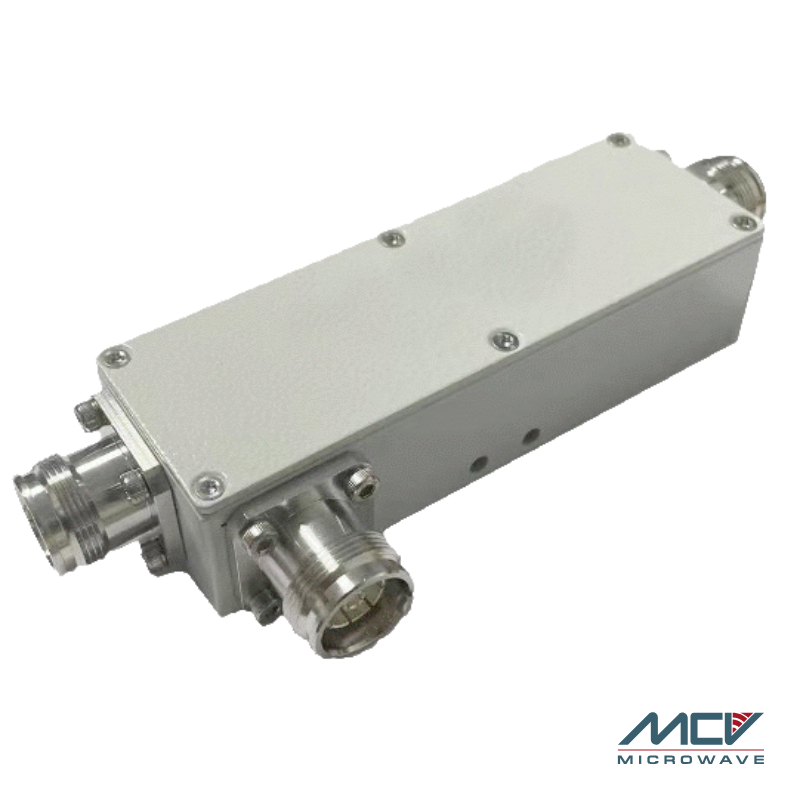
Directional Couplers
Used in monitoring and control systems to split or sample RF signals with minimal loss and high reliability.
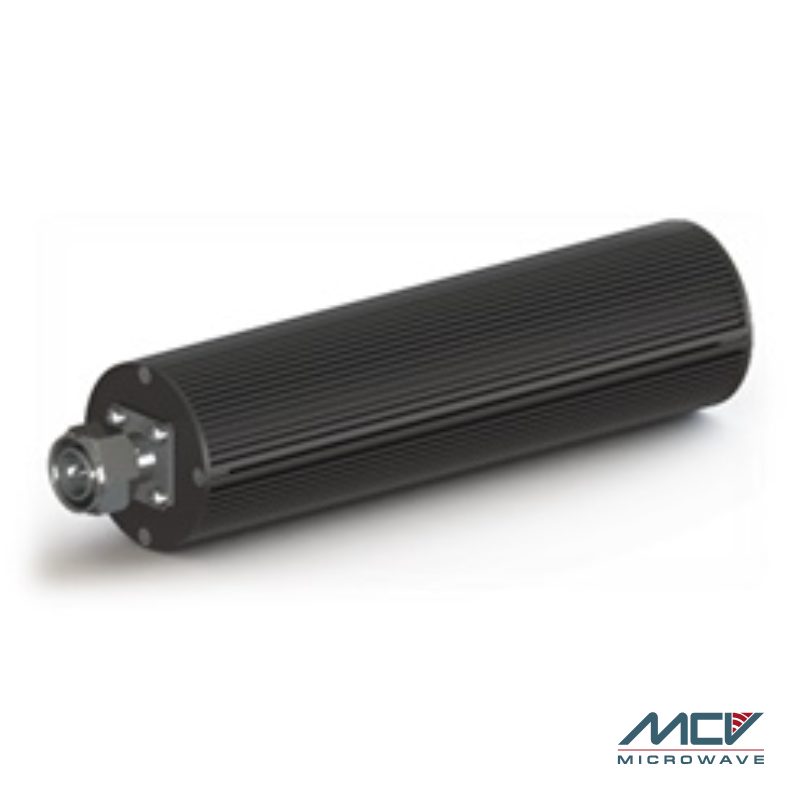
Low PIM Components
Essential for clean signal transmission in environments where signal reflections and distortion could compromise system performance.
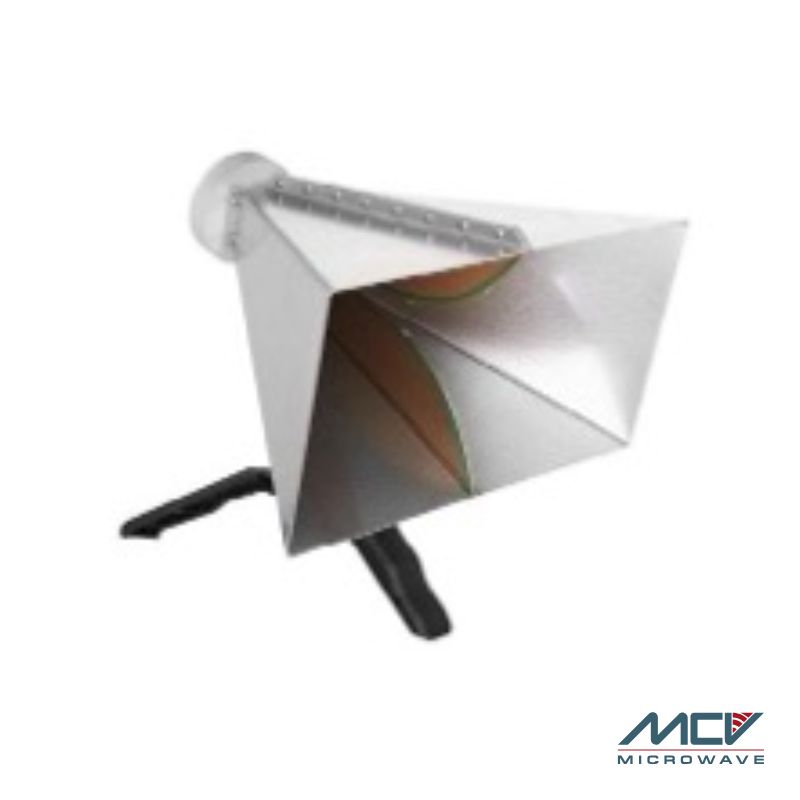
Directional Antennas
Used for long-range wireless communication, SCADA systems, and IoT sensor networks in remote and offshore locations.
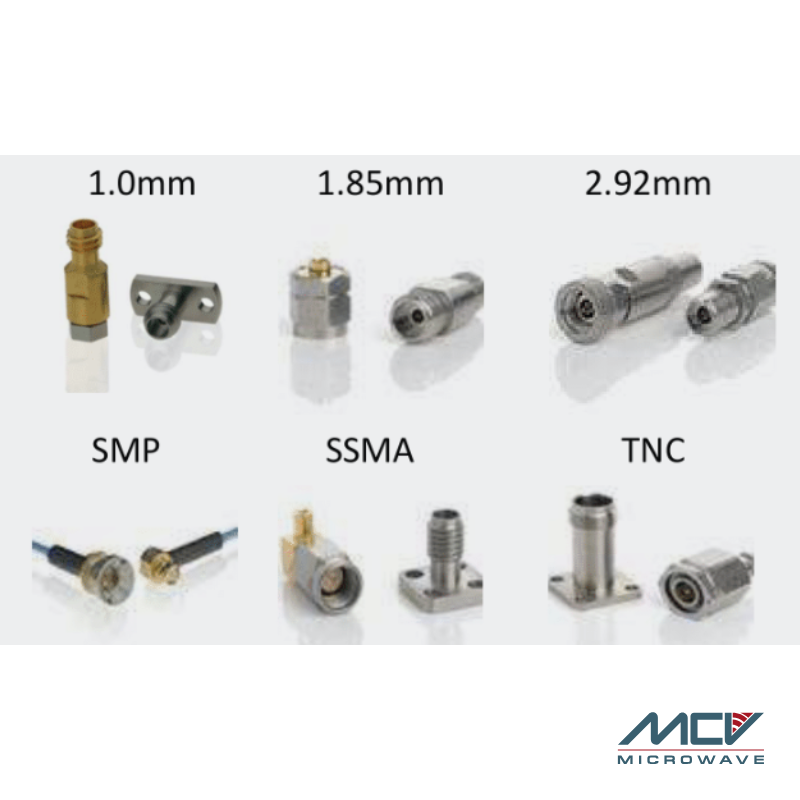
RF Cables, Adapters & Connectors
Rugged, corrosion-resistant interconnects that maintain performance over time in harsh outdoor and industrial environments.
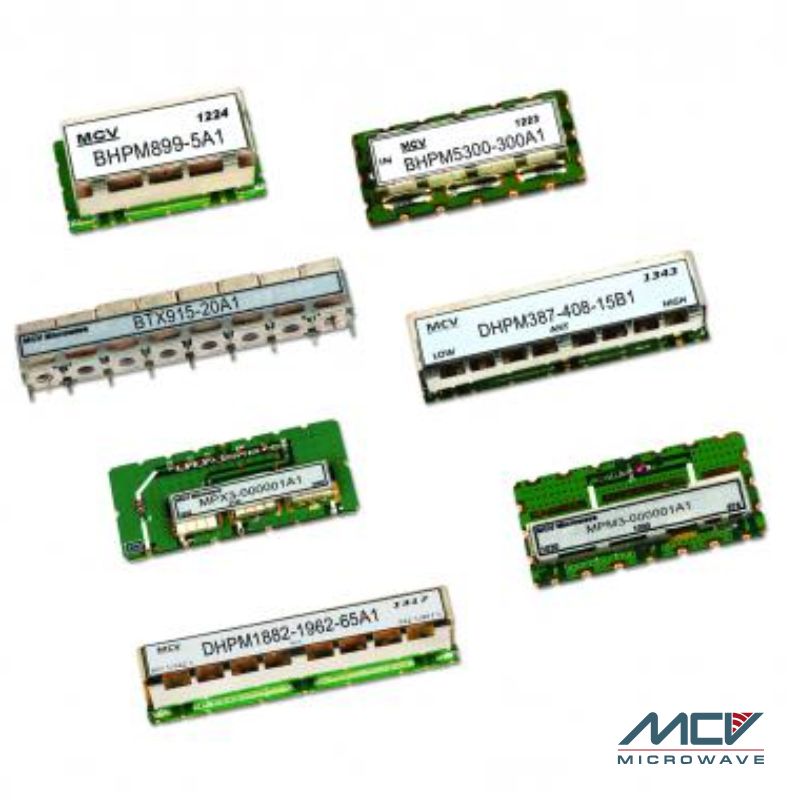
RF Filters
Provide interference mitigation and channel isolation for reliable wireless signals in areas with heavy electrical and RF noise.
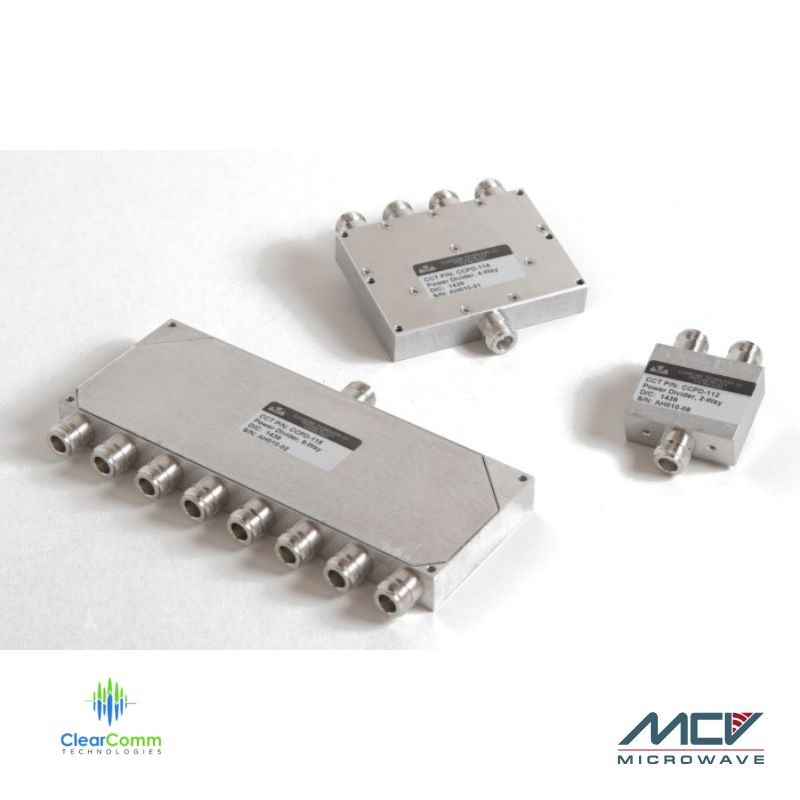
Power Dividers
Used in monitoring and control systems to split or sample RF signals with minimal loss and high reliability.
MCV: Enabling Wireless Reliability Where It Matters Most
From offshore platforms to pipeline infrastructure, MCV empowers petroleum operators to maintain safe, efficient, and connected operations, even in the world’s toughest environments.
Why Petroleum Engineers Choose MCV:
-
Field-proven durability in extreme operating conditions
-
Broad frequency support, including ISM bands, UHF, VHF, LTE, and custom frequencies
-
Low insertion loss and high isolation for clean, stable signals
-
Custom-engineered solutions to meet safety certifications and system-specific needs
-
Fast prototyping and responsive technical support for deployment and system upgrades
Applications in Petroleum Operations:
-
Remote monitoring and telemetry (RTUs)
-
Wireless SCADA systems
-
Pipeline leak detection and flow monitoring
-
Asset tracking and IoT integration
-
Intrinsically safe wireless communications
-
Automation and control systems
FAQ about the use of RF and Microwave products in the Petroleum Industry
How are RF and microwave technologies used in the petroleum sector?
They support communication, sensing, monitoring, and safety across upstream, midstream, and downstream operations. Applications include tank level measurement, pipeline monitoring, asset tracking, wireless communications, non-contact sensing, and leak detection.
What benefits do microwave sensors offer for level measurement in tanks and vessels?
Microwave (radar) level sensors provide high accuracy, non-contact measurement regardless of dust, vapor, foam, pressure, or temperature changes. This makes them ideal for crude tanks, separators, LNG storage, and chemical process vessels.
Are RF and microwave devices safe to use in hazardous, explosive environments?
Yes. Products used in petroleum operations are designed to meet ATEX, IECEx, and other hazardous-area certifications. Low-power RF transmissions and intrinsically safe designs ensure they do not pose ignition risks in areas with flammable gases or vapors.
How do RF communication systems improve operations in remote oil fields?
RF systems—such as microwave point-to-point links, sub-GHz radios, and industrial Wi-Fi—enable reliable data transfer from remote wells, pipelines, and production facilities where fiber or wired networks are impractical or too costly.
What role do microwave sensors play in pipeline monitoring?
Microwave sensors can detect flow anomalies, measure fluid properties, and support leak detection systems. Paired with RF communication networks, they enable real-time monitoring of pipeline integrity across long distances.
How does RF technology support asset and personnel tracking on oil rigs and refineries?
RFID, Bluetooth Low Energy (BLE), and UWB systems track equipment location, monitor worker movement, and enhance safety compliance. In emergencies, RF tracking helps coordinate evacuation and identify missing personnel quickly.
What challenges do RF systems face in petroleum environments?
High metal content, extreme temperatures, corrosive atmospheres, electromagnetic noise, and long distances can impair signal performance. Specialized antennas, ruggedized enclosures, and frequency planning help maintain reliable operation.
Can RF and microwave products be used for predictive maintenance?
Yes. Wireless RF sensors monitor vibration, temperature, pressure, corrosion, and flow. Data is sent to analytics platforms to detect anomalies, schedule maintenance, and minimize downtime in critical assets like pumps, compressors, and drilling equipment.
How do microwave radar systems enhance safety in petroleum facilities?
Microwave radar sensors are used for intrusion detection, perimeter surveillance, and environmental monitoring. They operate reliably in fog, dust, rain, and darkness—conditions common in offshore platforms and refineries.
What types of RF communication technologies are commonly used in the petroleum industry?
Common technologies include:
-
Microwave backhaul links for long-range high-speed communication
-
LoRaWAN and sub-GHz radios for low-power sensor networks
-
Industrial Wi-Fi for local site connectivity
-
Satellite + RF hybrids for offshore and remote operations
-
5G private networks for high-density sensor deployments
How can I learn more about the use of RF and Microwave products in the Petroleum Industry
To learn more about the use of RF and Microwave products in the Petroleum Industry please contact us and we will help you!