
Semiconductor Industry
Signal integrity, repeatability and broadband performance
Precision RF & Microwave Components for High-Performance Testing and Integration
As semiconductor technologies continue to scale toward higher frequencies and tighter tolerances, MCV provides advanced RF and microwave components that meet the rigorous demands of semiconductor test, validation, and integration. Whether for chip characterization, wafer probing, or system development, MCV solutions ensure signal integrity, repeatability, and broadband performance across critical test environments.
Empowering the Semiconductor Ecosystem
From RFIC and MMIC development to high-speed digital and analog testing, MCV products are trusted in labs and production environments worldwide. Our components are optimized to support a wide range of applications across 5G, IoT, automotive electronics, wireless chipsets, and advanced computing architectures.

Featured Products for Semiconductor Industry
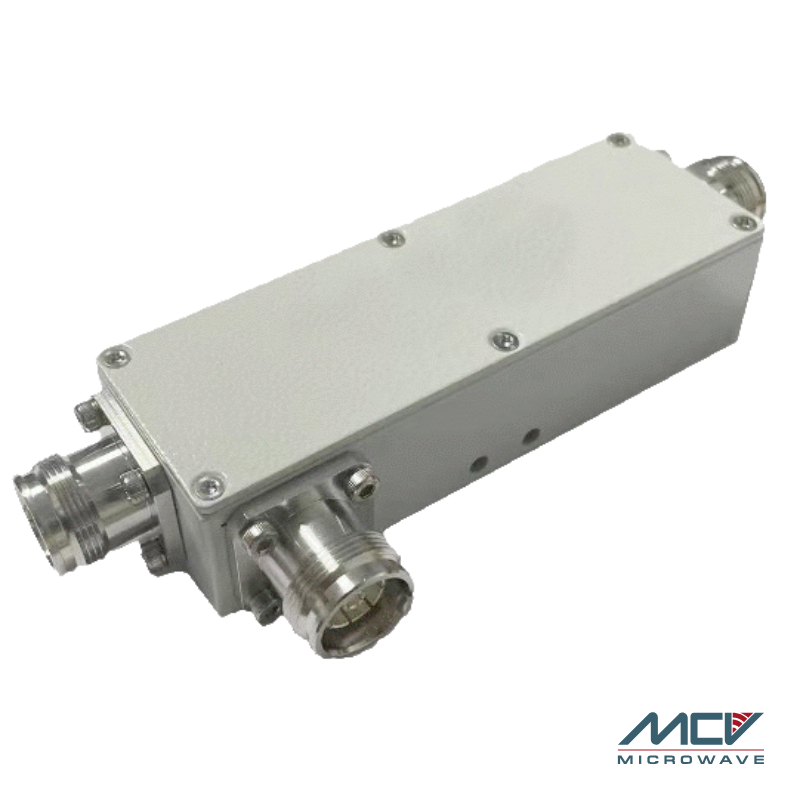
Directional Couplers
Support accurate signal sampling and VSWR measurements in RF test benches.
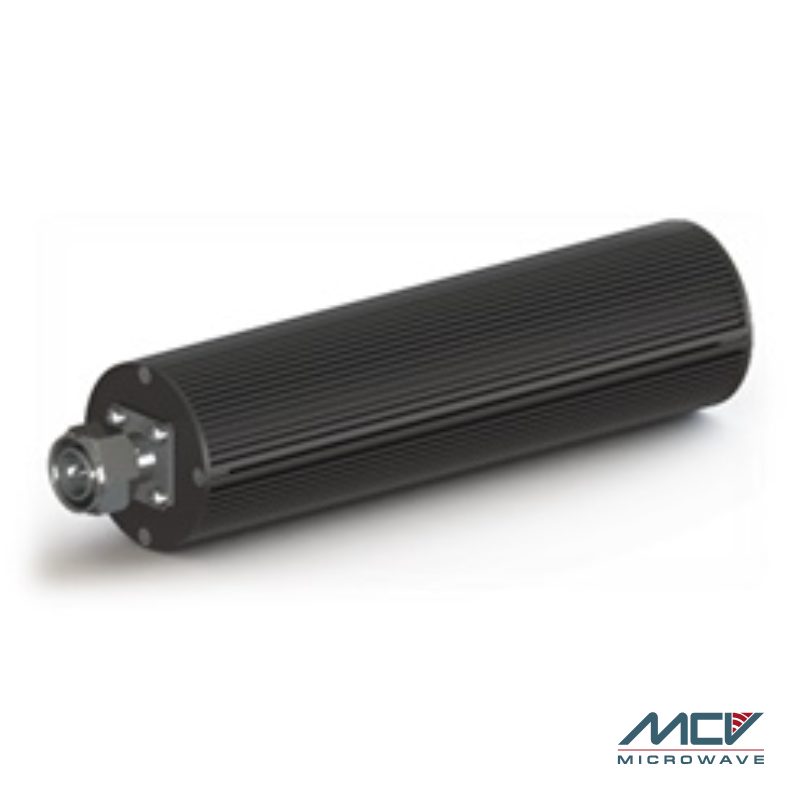
Low PIM Terminations
Ensure clean, distortion-free signal absorption during high-frequency and high-power test cycles.
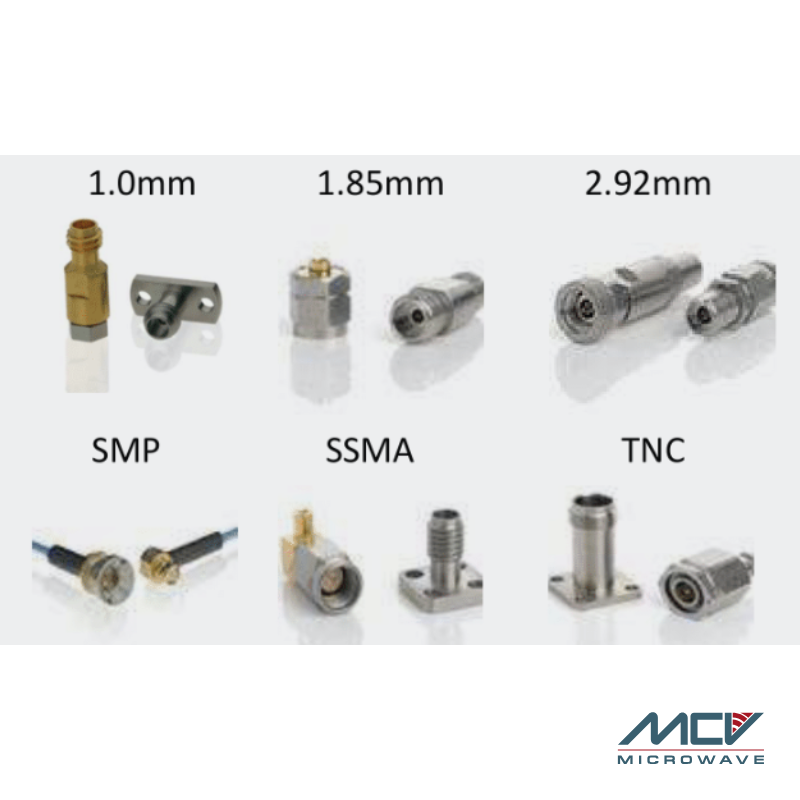
RF Adapters & Connectors
High-precision interconnects that ensure minimal insertion loss and impedance mismatch across wide frequency bands.
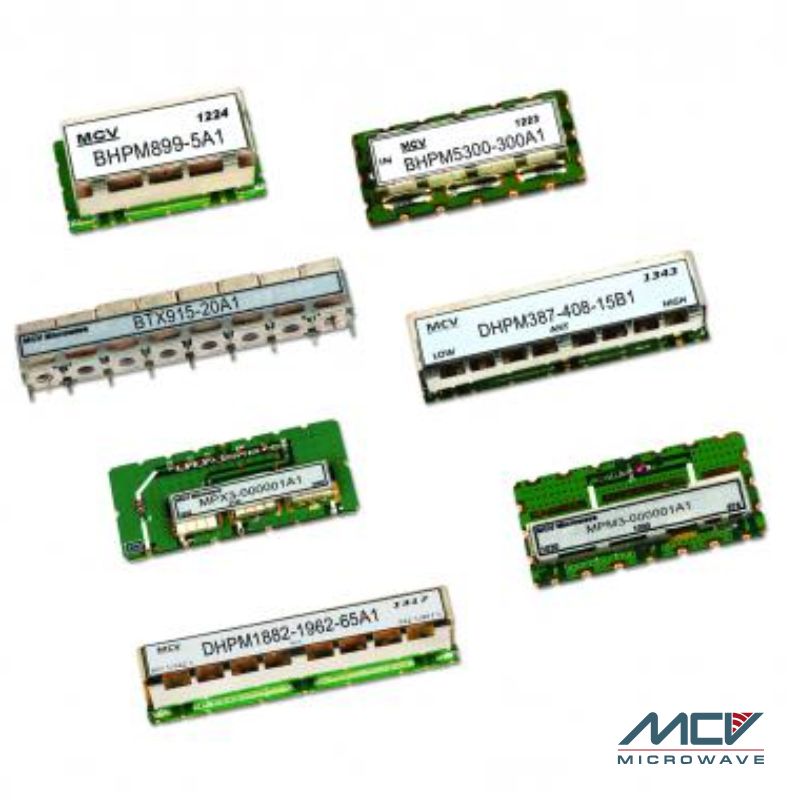
Broadband Filters
Provide clean signal paths and eliminate out-of-band interference in RF test and verification setups.
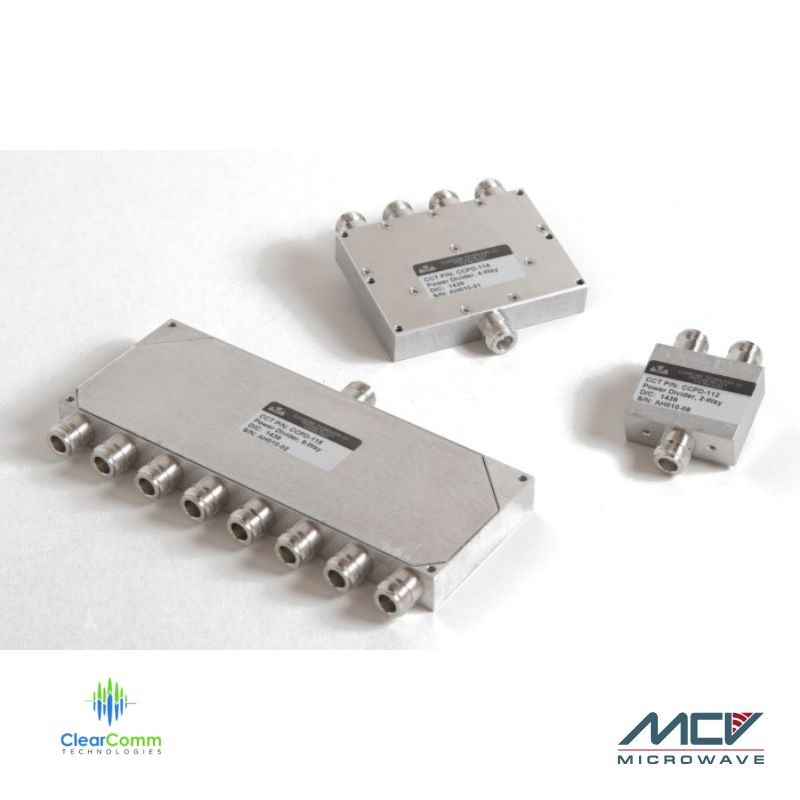
Wilkinson Power Dividers
Enable stable, phase-consistent multi-port measurements essential for multi-channel and phased array testing.
Low Noise Amplifiers (LNAs)
Boost weak signals during chip or board-level measurements without adding excessive noise, maintaining test accuracy.
Designed for Precision and Reliability
MCV components are engineered for:
-
Wideband performance from DC to 50+ GHz
-
Excellent return loss and isolation for lab-grade accuracy
-
Rugged construction for repeated use in test environments
-
Low variability to ensure consistent measurements across production cycles
Why choose MCV Microwave as your partner in the Semiconductor sector?
-
Wide frequency coverage for emerging standards
-
Low loss and precision-matched components
-
Custom solutions tailored to semiconductor lab needs
-
Fast delivery and prototyping for dynamic development cycles
-
Trusted by semiconductor OEMs, fabs, and test equipment providers globally
Applications in the Semiconductor Sector:
-
RFIC/MMIC testing and evaluation
-
Wafer-level and probe station testing
-
ATE (Automated Test Equipment) integration
-
Validation of SoCs and wireless chipsets
-
High-frequency device characterization (5G, 6G, mmWave)
-
Signal integrity verification in mixed-signal designs
FAQ about the use of RF and Microwave products in the Semiconductor Industries
How are RF and microwave technologies used in semiconductor manufacturing?
They are used in plasma processing tools, such as etching, deposition, and ion implantation, where precise RF power is needed to generate and control plasma.
Why is RF power stability important in semiconductor fabrication?
Stable RF power ensures consistent plasma characteristics, which results in uniform etch/deposition rates, better device yield, and repeatable process performance.
What types of RF components are commonly used in semiconductor equipment?
Key components include RF power generators, matching networks, coaxial cables, connectors, filters, sensors, amplifiers, directional couplers, and impedance tuning modules.
What frequencies are typically used in semiconductor plasma processing?
Common industry-standard frequencies include 13.56 MHz, 27.12 MHz, 40.68 MHz, and various microwave frequencies such as 2.45 GHz for high-density plasma applications.
How do matching networks support semiconductor plasma tools?
Matching networks dynamically adjust impedance between the RF generator and the plasma chamber to maximize power transfer and minimize reflected power.
Why is low contamination critical for RF components used in cleanroom environments?
Contamination can destroy wafers or reduce yield; therefore, RF components must be built from materials that minimize particulation and outgassing.
How do RF sensors and metrology tools benefit semiconductor manufacturing?
They allow real-time monitoring of RF power, voltage, current, and impedance, enabling tighter process control and more consistent device performance.
Can RF and microwave components be customized for specific semiconductor tools?
Yes. We offer custom power levels, connectors, cooling methods, and form factors tailored to unique chamber or tool designs
How important is thermal management for RF products in semiconductor fabs?
Very important, RF components in high-power plasma environments generate heat, and effective cooling improves reliability, extends lifetime, and prevents process drift.
What reliability standards apply to RF components used in semiconductor equipment?
Components typically follow SEMI standards, high-reliability electrical testing, lifecycle stress testing, and manufacturer-specific quality protocols to meet fab uptime requirements.
How can I learn more about the use of RF and Microwave products in the Semiconductor industry?
To learn more about the use of RF and Microwave products in the Semiconductor industry please contact us and we will help you!