
INTERFERENCE MITIGATION TOOLS
Designed to tackle the toughest challenges
We specialize in interference mitigation solutions that help maintain signal clarity and system reliability in complex RF environments. As wireless systems become more crowded and data demands increase, controlling interference is critical to ensuring optimal performance and communication integrity.
Our interference mitigation tools are engineered to identify, isolate, and suppress unwanted signals, reducing noise and improving overall system efficiency. Whether you’re dealing with co-site interference, intermodulation, or spurious emissions, our solutions are designed to tackle the toughest challenges.
From high-selectivity filters to advanced signal conditioning components, we provide the tools needed to protect your systems from performance degradation and ensure clean signal transmission.
Trusted by engineers and system integrators across industries, our interference mitigation products deliver proven results in even the most demanding applications.
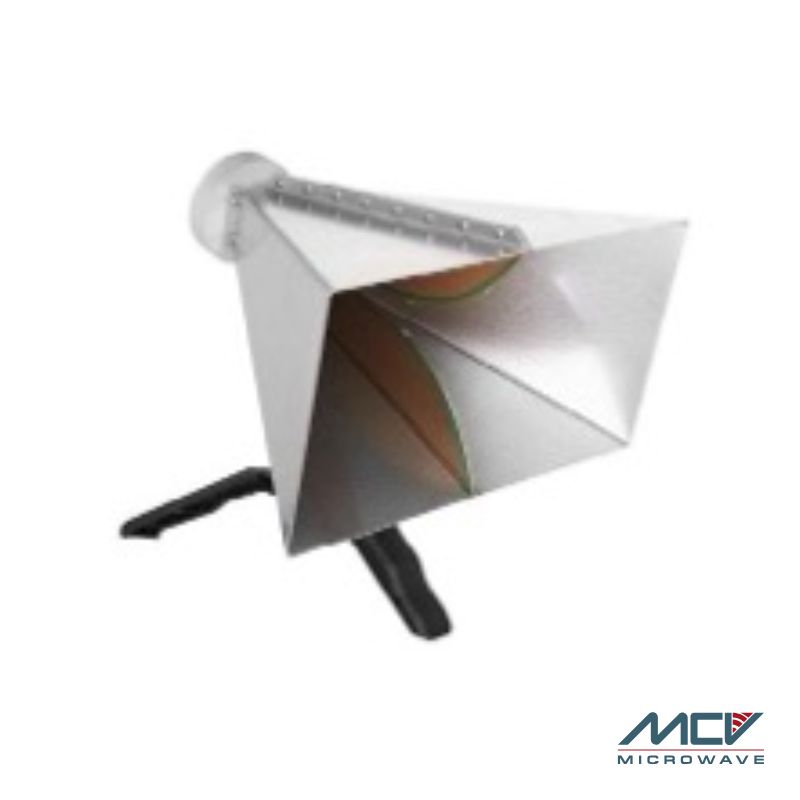
Directional Antenna
Low Noise Amplifiers

Filters
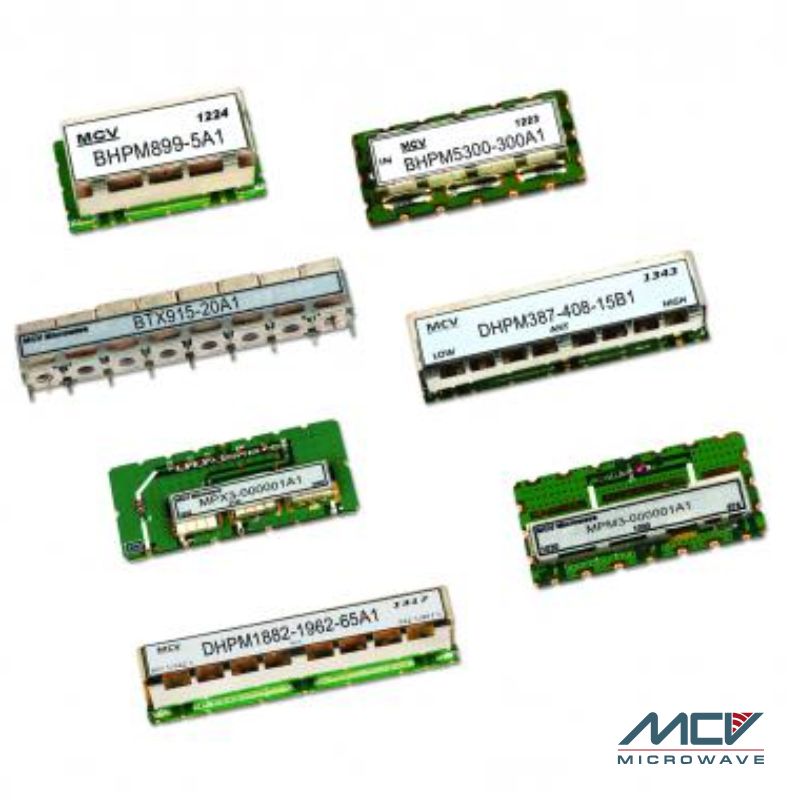
Interference Mitigation Kits
FAQ about Interference Mitigation Tools
What are interference mitigation tools?
Interference mitigation tools are technologies and software solutions designed to detect, analyze, and reduce unwanted radio frequency (RF) interference in wireless communication systems. They help improve signal quality, network performance, and overall reliability.
Why is interference mitigation important?
Interference degrades communication quality, increases latency, causes packet loss, and can lead to dropped connections. Mitigation ensures stable performance for systems such as Wi-Fi, LTE/5G, satellite links, radar, and IoT networks.
What types of interference do these tools detect?
They typically detect co-channel, adjacent-channel, non-Wi-Fi, intentional, and unintentional interference from devices like microwave ovens, Bluetooth, broadcast systems, radar, and malfunctioning transmitters.
How do interference mitigation tools work?
Most tools use techniques such as spectrum analysis, signal classification, adaptive filtering, beamforming, dynamic frequency selection (DFS), and machine-learning–based pattern recognition to identify and minimize interference.
Are these tools hardware-based or software-based?
Both exist. Hardware solutions include spectrum analyzers, filters, and antenna systems, while software tools provide real-time detection, analytics, and automated mitigation algorithms integrated into network controllers or base stations.
Do interference mitigation tools require specialized expertise?
Some basic tools are user-friendly and require minimal training. More advanced systems—like those used in telecom or defense—may require RF engineering knowledge and familiarity with spectrum management.
Can interference mitigation tools operate automatically?
Yes. Many modern solutions use automated interference detection and response, adjusting frequencies, transmission power, or beam patterns without manual intervention.
What industries commonly use these tools?
They are used in telecommunications, aviation, defense, satellite communications, broadcasting, industrial IoT, and enterprise Wi-Fi networks.
How do I know if my system needs interference mitigation?
Symptoms include inconsistent connectivity, unexplained packet loss, increased error rates, unusual latency spikes, and poor signal-to-noise ratios (SNR). Tools can be used for diagnosis and continuous monitoring.
What is real-time interference monitoring?
Real-time interference monitoring continuously analyzes the RF environment to detect interference events as they occur. This enables rapid response and helps maintain stable network performance in dynamic wireless environments.
Can interference mitigation tools support multi-band and multi-technology networks?
Yes, many modern interference mitigation systems are designed to support multiple frequency bands and wireless technologies simultaneously, including Wi-Fi, LTE, 5G, Bluetooth, satellite, and IoT communications.
How do beamforming and smart antennas help reduce interference?
Beamforming and smart antenna systems direct RF energy toward intended users while reducing radiation in unwanted directions. This improves signal quality, increases spectral efficiency, and minimizes interference from neighboring systems.
Do interference mitigation tools provide analytics and reporting?
Yes. Many solutions include dashboards, spectrum visualization, event logging, and historical performance analytics to help operators identify recurring interference sources and optimize network operation over time.
Are interference mitigation tools important for regulatory compliance?
Yes. Proper interference management helps ensure compliance with spectrum regulations and minimizes the risk of disrupting licensed or critical communication systems such as aviation, emergency services, and public safety networks.
Can interference be completely eliminated?
Not always. RF environments are dynamic. However, with the right combination of detection, filtering, and adaptive algorithms, interference can be significantly reduced to maintain acceptable performance and reliability.
How can I order interference mitigation tools from MCV Microwave?
To place an order for interference mitigation tools please contact us and we will help you!