
RF Adapters
Engineered to provide reliable interconnection between different types or sizes of RF connectors, RF adapters are essential components in ensuring signal continuity and compatibility in diverse RF systems. By maintaining signal integrity across varying interfaces, they help minimize mismatch loss and support flexible system configurations.
RF Adapters by MCV
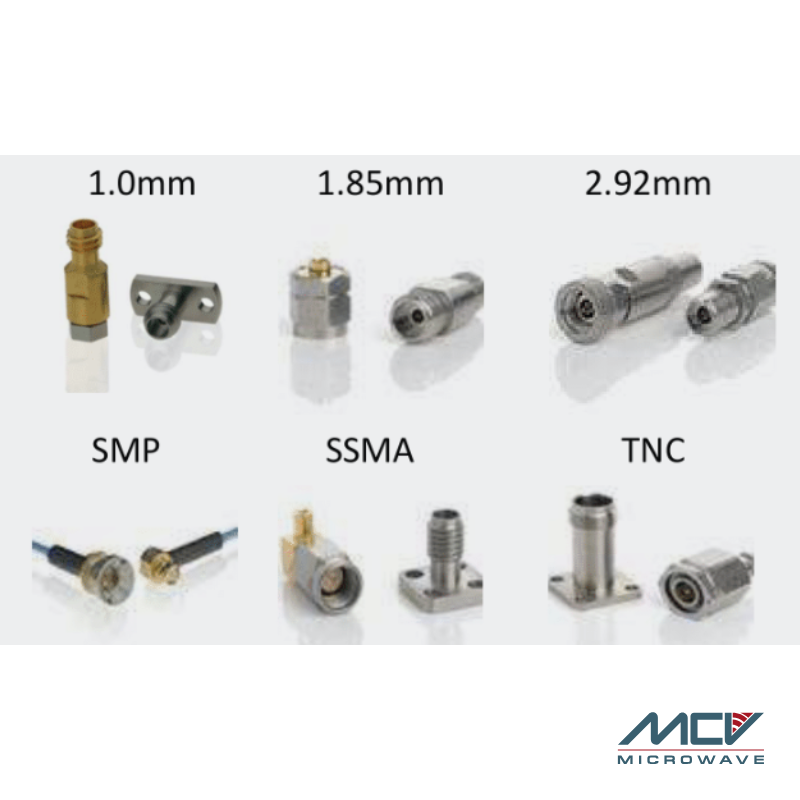
MCV RF adapters are designed for precision, durability, and excellent electrical performance across a broad frequency range. Available in a variety of connector combinations, including SMA, N-Type, TNC, and 2.92mm, our adapters are ideal for use in testing, prototyping, telecommunications, defense systems, and wireless infrastructure. Ruggedly constructed and precision-machined, MCV adapters provide seamless connectivity in both lab and field environments where performance and reliability are critical.
FAQ about RF Adapters
What is an RF adapter?
An RF adapter is a passive electronic component used to connect two different types of RF connectors or interfaces, allowing the transfer of high-frequency signals between cables, instruments, or systems without significant signal loss.
What are the main types of RF adapters?
RF adapters are categorized by their connector interfaces and configurations, such as:
-
Type-to-Type: SMA to N, BNC to TNC, etc.
-
Gender changers: Male-to-male, female-to-female, or male-to-female
-
Right-angle or bulkhead adapters for space-saving or panel-mount applications
What materials are RF adapters made from?
Common materials include:
-
Body: Brass, stainless steel, or aluminum
-
Plating: Nickel, gold, or silver for corrosion resistance
-
Insulator: PTFE (Teflon) for stability and low dielectric loss
What frequency ranges can RF adapters handle?
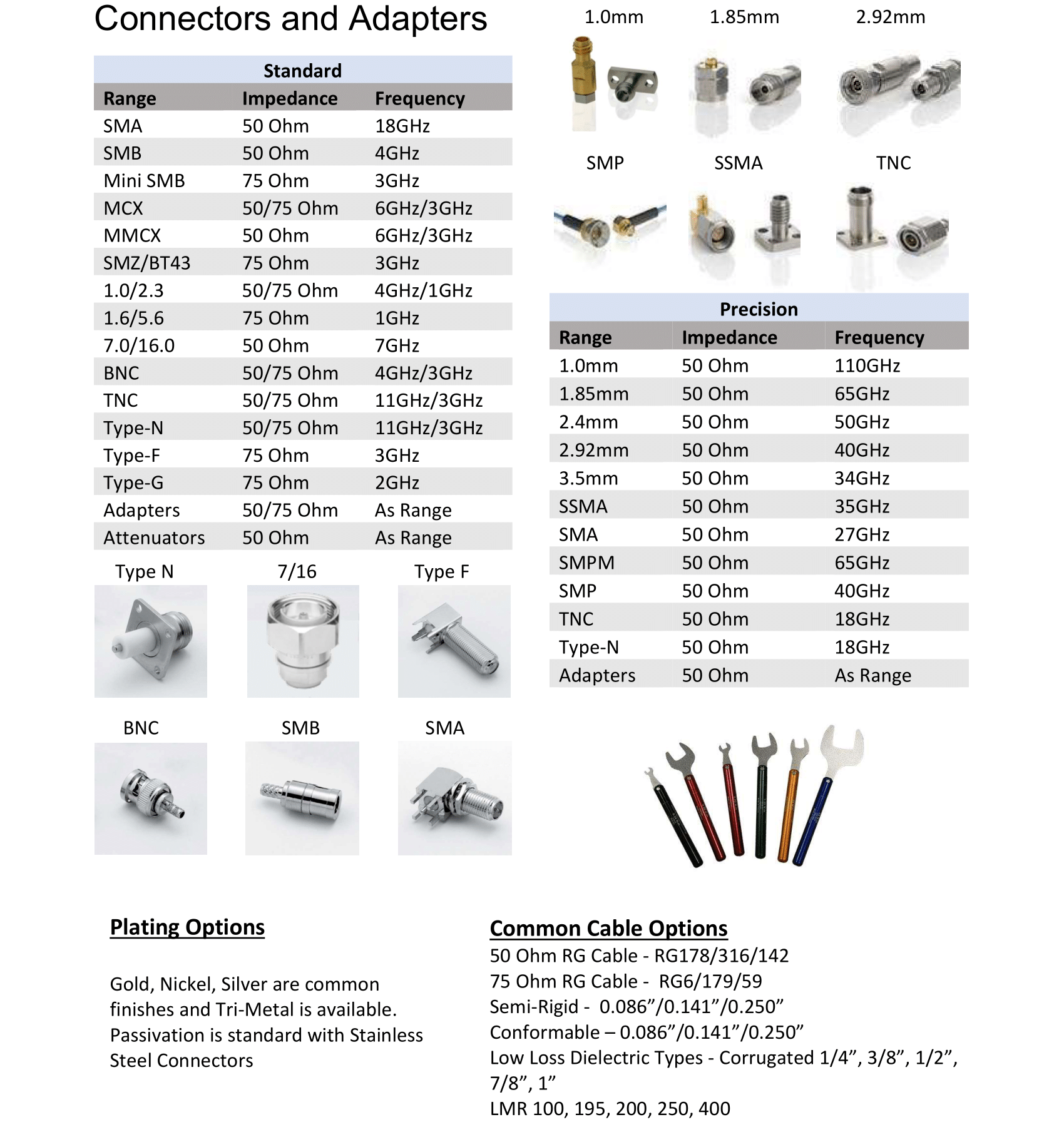
The supported frequency range depends on the connector type and build quality. Typical ranges are:
-
BNC/TNC: up to 4 GHz
-
SMA: up to 18 GHz
-
N-type: up to 11 GHz
-
Precision connectors (e.g., 2.92 mm): up to 40 GHz or more
Do RF adapters affect signal performance?
Yes, slightly. Poor-quality adapters can introduce insertion loss, VSWR degradation, or signal reflections. High-quality precision adapters are designed to minimize these effects for accurate RF performance.
What is the difference between 50-ohm and 75-ohm RF adapters?
The impedance determines signal matching in a system:
-
50-ohm adapters are used in RF communication and test setups.
-
75-ohm adapters are used in video, broadcast, and CATV systems.
Using mismatched impedances can cause reflections and signal loss.
What is a precision RF adapter?
A precision RF adapter is a high-tolerance connector designed for test and measurement applications, ensuring minimal phase distortion and very low VSWR, typically used in laboratory and calibration environments.
Can I connect two different connector types with an RF adapter?
Yes. RF adapters are specifically designed for this purpose—for example, converting an SMA male to a BNC female, allowing compatibility between different equipment interfaces.
What is VSWR in an RF adapter?
Voltage Standing Wave Ratio (VSWR) measures how efficiently RF power is transmitted through the adapter. A low VSWR indicates good impedance matching and minimal signal reflections, which is especially important in high-frequency applications.
Can RF adapters handle high power levels?
Yes, certain RF adapters are designed for high-power applications. Power handling depends on factors such as connector type, frequency, material, and cooling conditions. Always verify the adapter’s rated power specifications before use.
How many times can an RF adapter be connected and disconnected?
The mating cycle life varies by connector type and material quality. Precision RF adapters are often rated for hundreds or thousands of mating cycles while maintaining reliable electrical performance.
Can multiple RF adapters be connected in series?
Yes, but using multiple adapters in series can increase insertion loss, signal reflections, and mechanical stress on connectors. For best RF performance, minimize the number of adapter transitions whenever possible.
Are RF adapters suitable for high-frequency test equipment calibration?
Yes, precision RF adapters are commonly used in calibration and metrology applications. They are manufactured with tight tolerances to ensure stable impedance, low insertion loss, and repeatable measurement accuracy.
How do I choose the right RF adapter?
When selecting an RF adapter, consider:
-
Connector types and genders
-
Frequency range
-
Impedance (50 or 75 ohms)
-
Power handling
-
Environmental conditions (indoor, outdoor, vibration, etc.)
What are common applications of RF adapters?
RF adapters are used in:
-
Test and measurement setups
-
Antenna connections
-
Communication systems
-
Laboratory instruments
-
RF and microwave component testing
Can RF adapters be used in outdoor or harsh environments?
Yes, many RF adapters are designed with rugged, weather-resistant materials like stainless steel and feature IP-rated sealing for outdoor or industrial use. Always verify environmental ratings based on your specific application.
How can I order RF adapter from MCV Microwave?
To place an order for RF adapter or any other of our passive products please contact us and we will help you!