
PASSIVE PRODUCTS
Reliability, durability and precision with passive RF and microwave components
We offer a comprehensive range of passive RF components designed to support and enhance the performance of your communication systems. Built for reliability, durability, and precision, our passive products ensure signal integrity and efficient power handling across a wide range of applications.
Our portfolio includes:
-
RF Adapters, Connectors & Cables: Robust, low-loss interconnect solutions for dependable connectivity.
-
Directional Couplers & Hybrid Couplers: Ideal for signal sampling, power monitoring, and combining applications with excellent isolation and low insertion loss.
-
Power Dividers & Unequal Dividers: For accurate signal splitting and distribution across channels or devices.
-
Attenuators: Fixed and variable options to manage signal levels and protect sensitive components.
-
Terminations: Designed to safely absorb RF power and prevent signal reflections.
Whether you’re building, testing, or optimizing your RF system, our passive components deliver the quality and consistency you can trust.
Explore our passive RF and microwave components
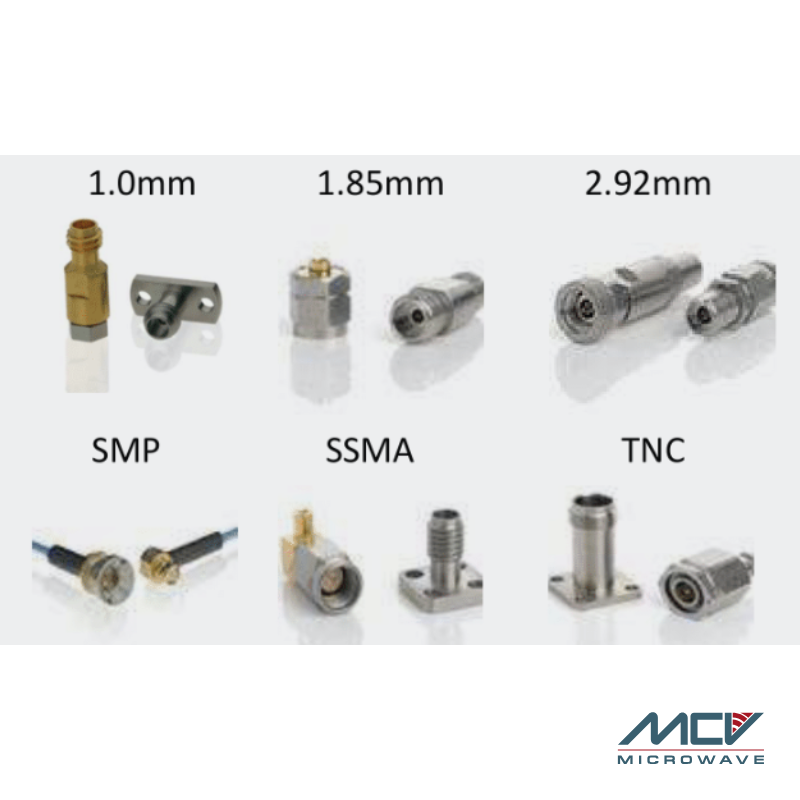
RF Adapters
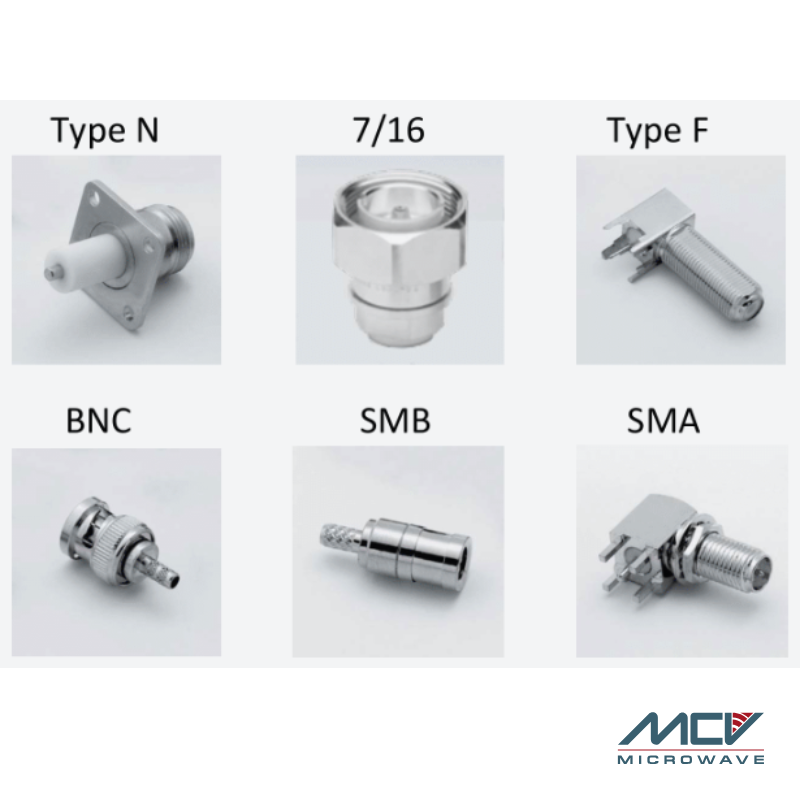
RF Connectors
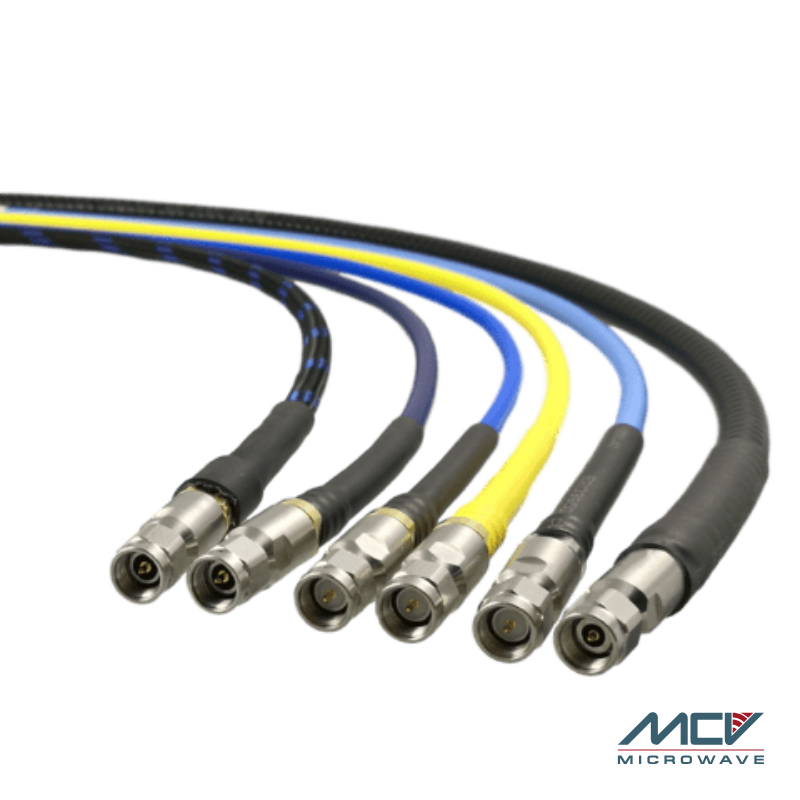
RF Cables
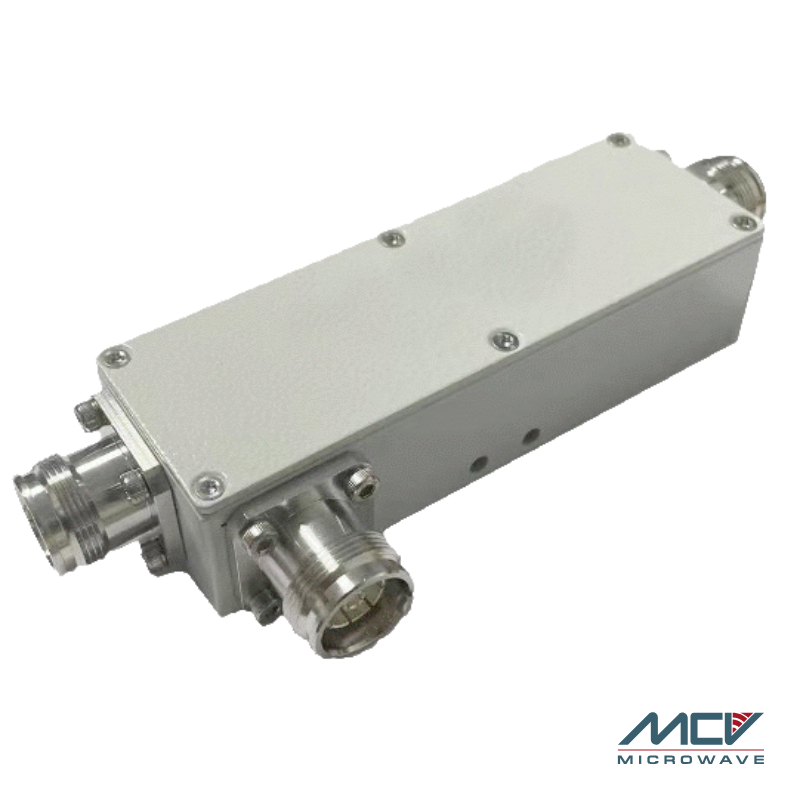
Directional Couplers
Fixed Attenuators
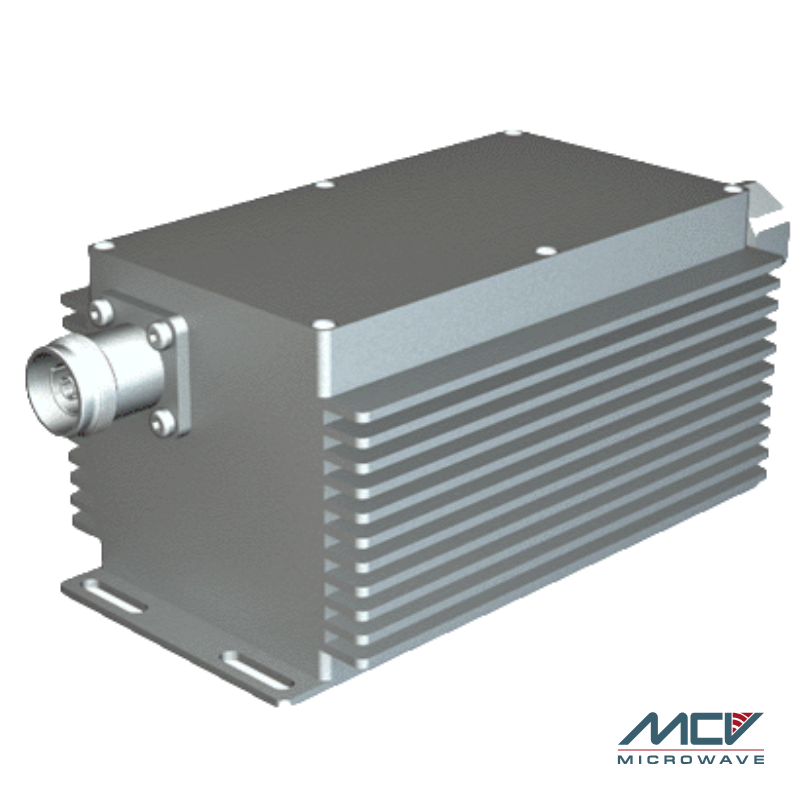
Hybrid Couplers
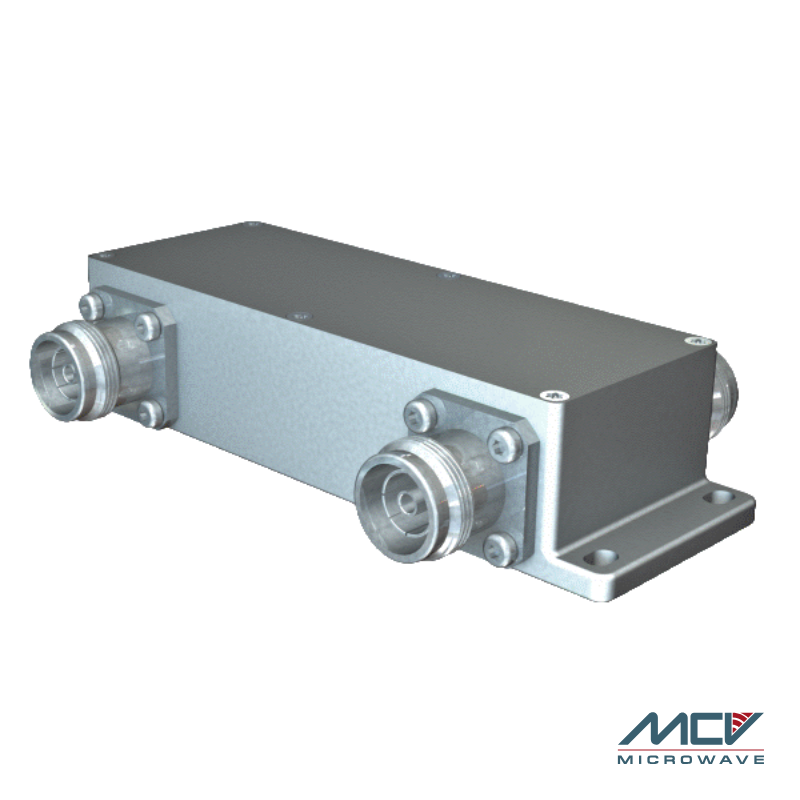
Power Dividers
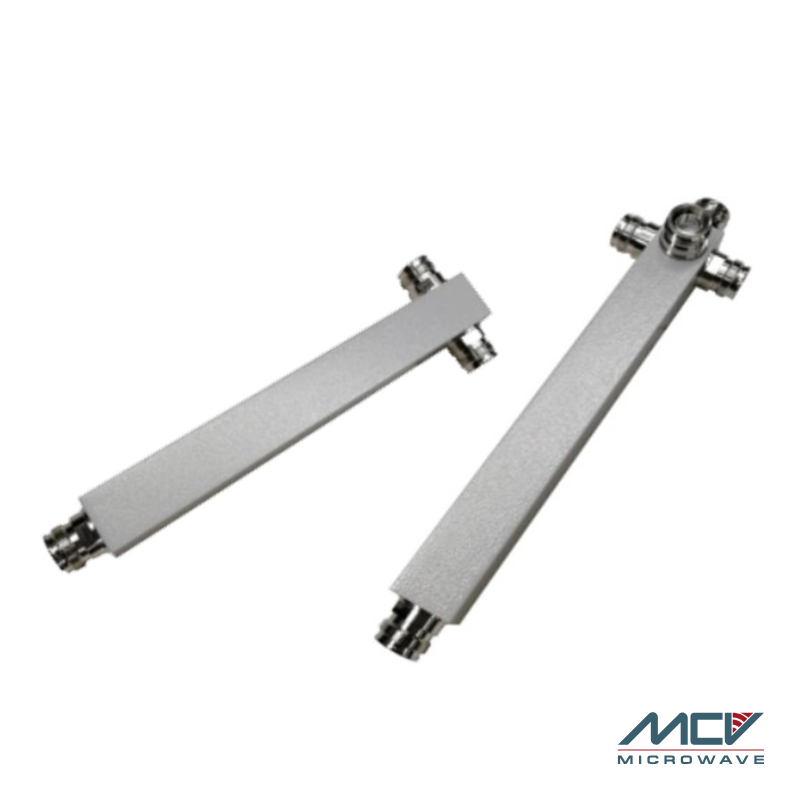
Unequal Dividers
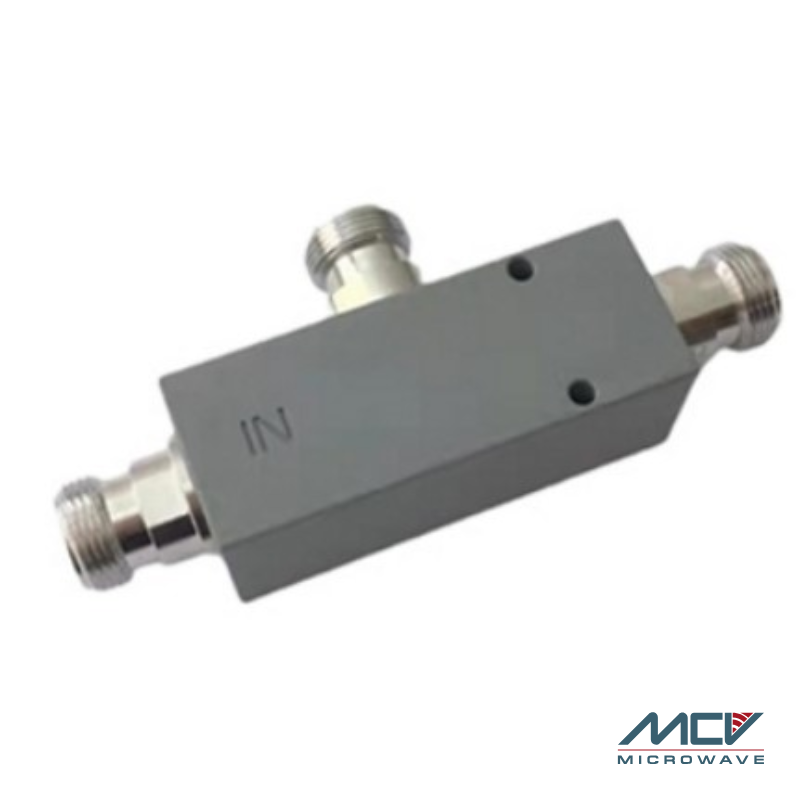
Low PIM Termination
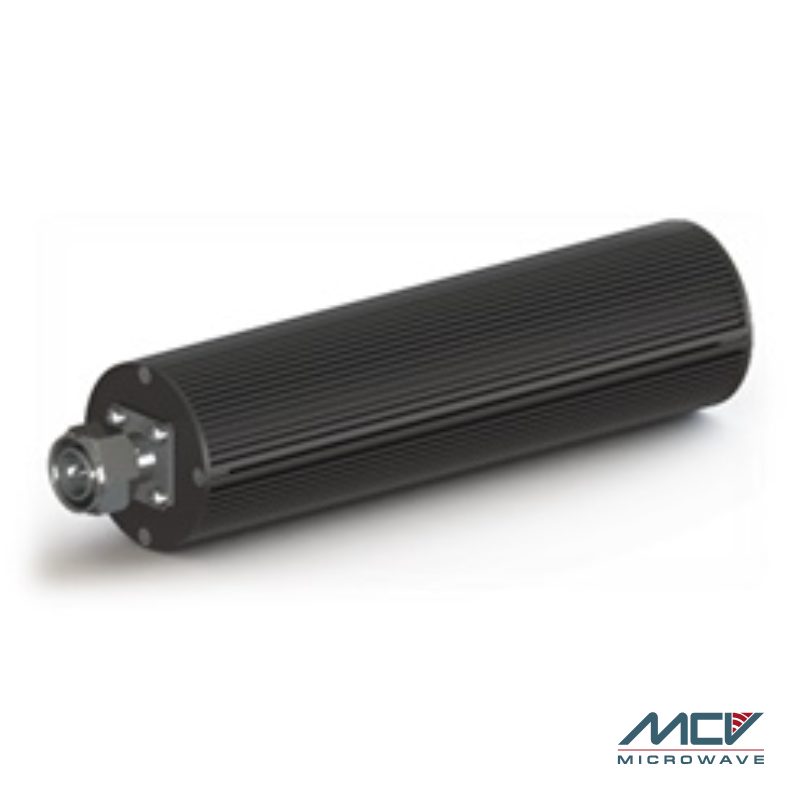
Hybrid Combiners

FAQ about Passive RF products
What are passive RF products?
Passive RF products are components that process radio frequency signals without requiring external power. They do not amplify or generate signals but instead guide, split, combine, filter, or terminate RF energy in communication systems.
What are some common types of passive RF components?
Common examples include:
-
Couplers and Splitters (e.g., directional couplers, power dividers)
-
Combiners (e.g., hybrid combiners)
-
Terminations and Loads
-
Filters and Duplexers
-
Attenuators
-
Adapters and Connectors
-
Cables and Jumpers
How do passive RF components differ from active components?
Passive components do not require external DC power and cannot amplify signals. Active components (like amplifiers, mixers, or oscillators) need power to function and can alter signal strength or frequency.
What frequency ranges do passive RF products typically support?
Passive RF products are available for a wide range of frequencies—from kHz and MHz (used in radio and broadcast) to GHz and mmWave bands (used in cellular, satellite, and 5G systems), often up to 40 GHz or higher.
Why is Passive Intermodulation (PIM) performance important?
PIM occurs when nonlinearities in passive components generate unwanted mixing products. Low PIM performance is crucial in multi-carrier cellular systems, as high PIM can degrade signal quality and network capacity.
What materials are used to manufacture passive RF products?
They are typically made using high-conductivity and non-ferromagnetic materials such as brass, copper, aluminum, and silver plating. Stainless steel is used where durability is required, but low-PIM versions avoid ferromagnetic alloys.
What are typical applications of passive RF products?
They are essential in:
-
Cellular networks (2G–5G, LTE)
-
DAS (Distributed Antenna Systems)
-
Broadcast and satellite communications
-
Military and aerospace RF systems
-
RF testing and measurement labs
Do passive RF components require maintenance?
Yes, although minimal. To maintain performance:
-
Keep connectors clean and properly torqued
-
Avoid moisture and corrosion
-
Inspect for mechanical wear or damage
-
Periodically test for VSWR and PIM performance in critical systems
What trends are shaping modern passive RF product design?
Modern trends include:
-
Low PIM designs for high-density 5G and DAS networks
-
Broadband and multiband operation
-
Miniaturization for compact installations
-
High-power handling for carrier aggregation
-
Weatherproof and IP-rated enclosures for outdoor deployment
Why is impedance matching important in passive RF components?
Proper impedance matching (typically 50 ohms in most RF systems) ensures maximum power transfer and minimizes signal reflection, which improves overall system performance and reduces potential signal loss or damage.
What are the key performance parameters of passive RF components?
Important specifications include insertion loss, return loss (VSWR), isolation, phase balance, amplitude balance, and power handling. These parameters determine how efficiently the component manages RF signals and how much signal degradation it introduces.
What is insertion loss and why is it important?
Insertion loss is the reduction in signal power caused by inserting a passive component into a signal path. Lower insertion loss improves system efficiency, increases coverage range, and reduces the need for additional amplification.
How does power handling affect passive RF component selection?
Power handling specifies the maximum RF power a component can safely carry without overheating or degrading performance. High-power systems such as base stations and broadcast transmitters require components designed to handle continuous and peak power levels.
How do environmental conditions impact passive RF products?
Temperature extremes, humidity, vibration, and UV exposure can affect performance and reliability. Outdoor and harsh-environment applications often require sealed, corrosion-resistant, and temperature-rated components to maintain long-term stability.
What standards and tests are commonly used for passive RF components?
Passive RF products are often tested to industry standards such as IEC, MIL-STD, and IEEE specifications. Key tests include VSWR, insertion loss, PIM, power handling, and environmental stress testing to ensure consistent performance and compliance.
In which industries are passive RF components typically used?
Passive RF products are used across a wide range of industries, including:
-
Telecommunications
-
Aerospace & Defense
-
Medical
-
Automotive (e.g., radar systems)
-
Test & Measurement
-
Industrial IoT and automation
How can I order Passive RF products from MCV Microwave?
To place an order for Passive RF products please contact us and we will help you!